Around Guestland

Landmarks & Local Experiences

Chinese Fishing Nets (Cheena Vala)

Chinese Fishing Nets (Cheena Vala)

The Chinese Fishing Nets are the most iconic landmark of Fort Kochi and one of Kerala's most photographed attractions. Believed to have been introduced by Chinese traders during the 14th century, these unique cantilever fishing nets have been in use for centuries and continue to be operated using traditional methods. Stretching along the waterfront near Vasco da Gama Square, the nets offer a fascinating glimpse into Kochi's rich maritime heritage. Sunrise and sunset are the best times to visit, when the silhouettes of the nets against the Arabian Sea create one of the most picturesque scenes in Fort Kochi.
Fort Kochi Beach

Fort Kochi Beach

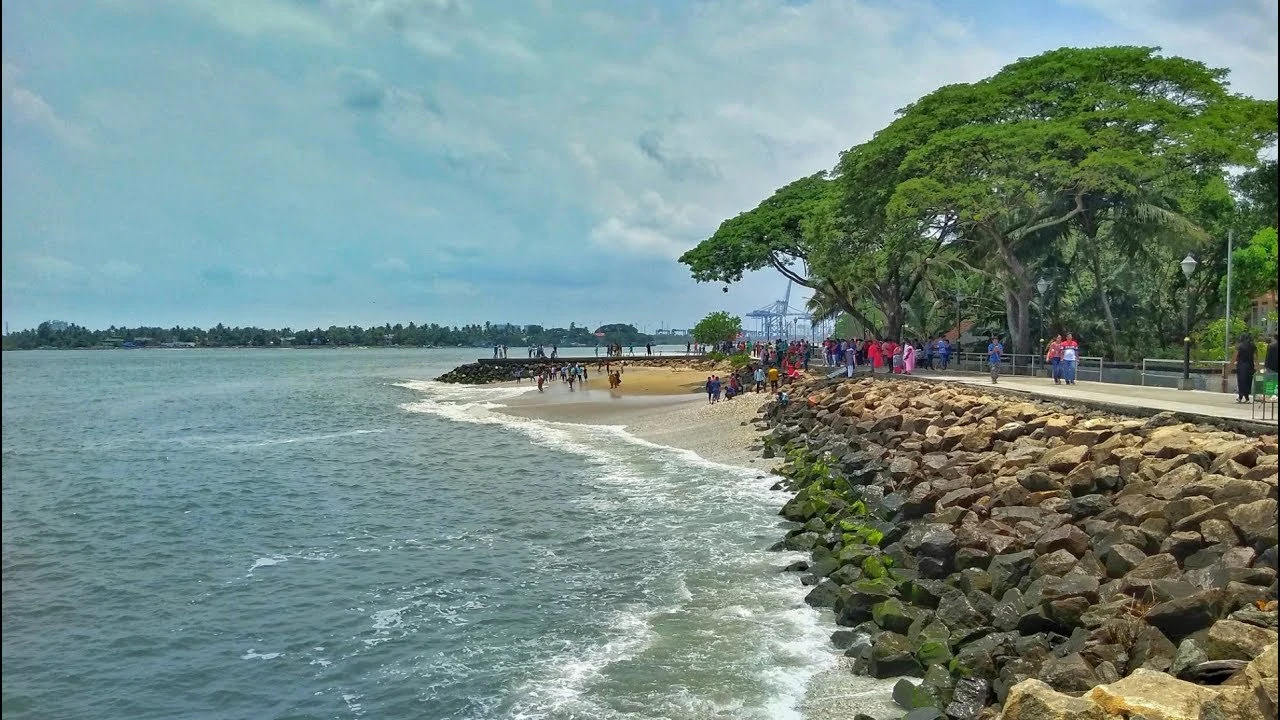
Fort Kochi Beach is one of Kerala's most beloved coastal destinations, renowned for its tranquil atmosphere, breathtaking sunsets, and rich colonial charm. Lined with the iconic Chinese Fishing Nets, historic landmarks, cafes, and street food vendors, the beach offers the perfect setting for a leisurely stroll or a relaxing evening by the Arabian Sea. The lively promenade comes alive every evening with local performers, fresh seafood stalls, and visitors enjoying the cool sea breeze. Whether you're watching fishermen at work, admiring the sunset, or simply soaking in the vibrant atmosphere, Fort Kochi Beach offers an unforgettable experience.

Princess Street

Princess Street

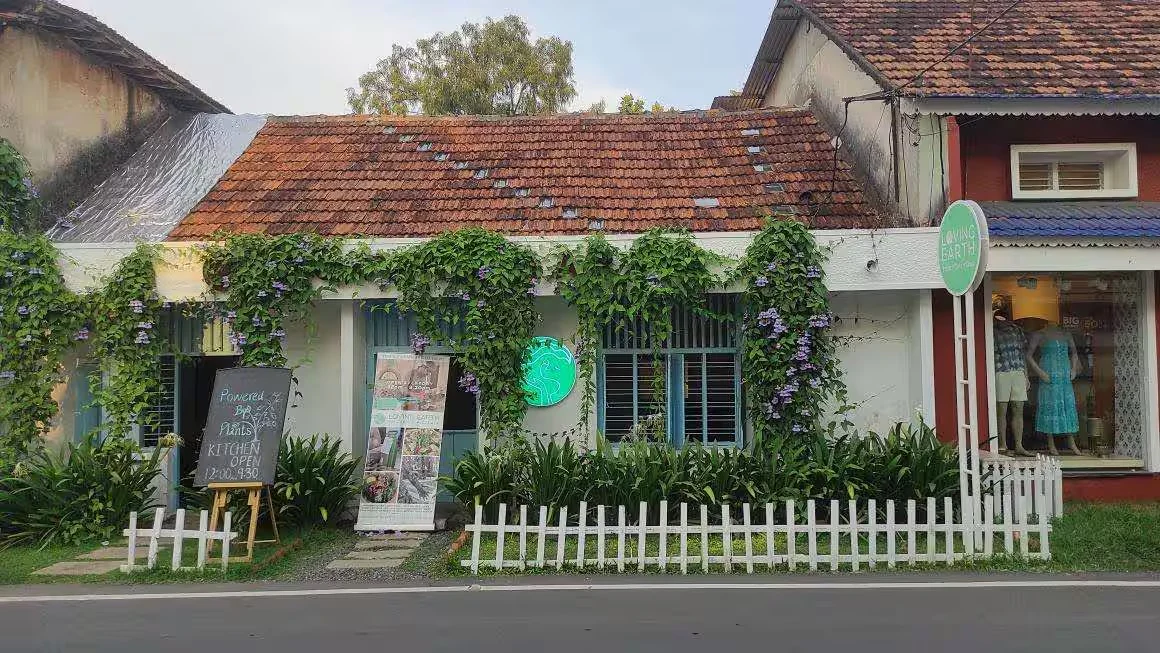
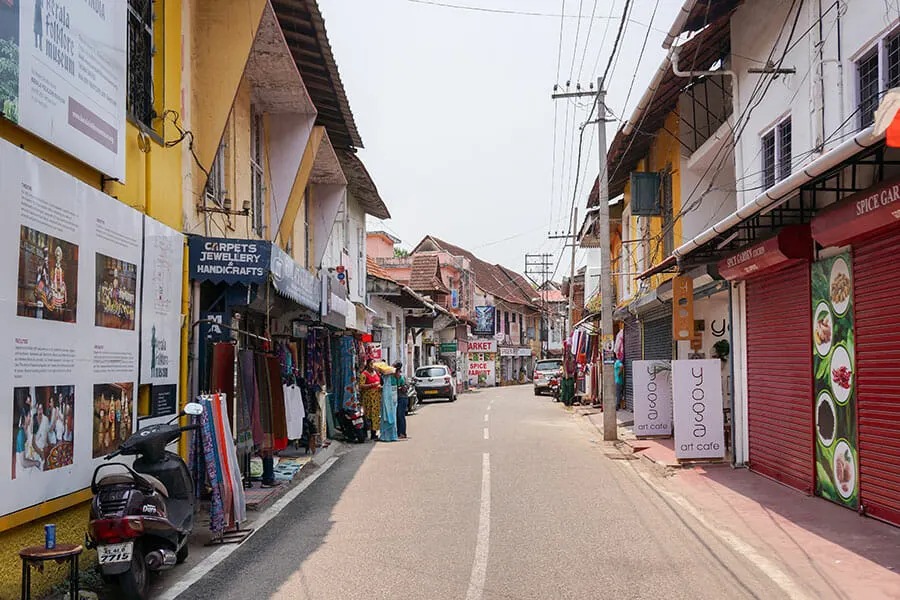
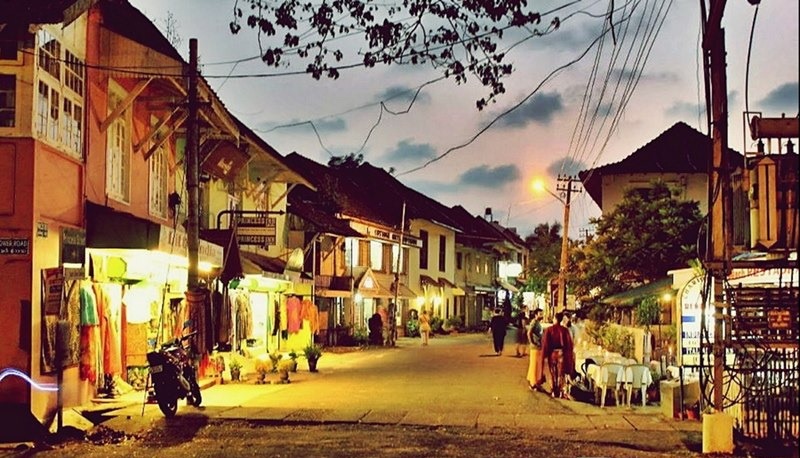
One of the oldest and most picturesque streets in Fort Kochi, Princess Street is renowned for its beautifully preserved colonial architecture, colorful heritage buildings, charming cafes, boutique shops, bookstores, and art galleries. Dating back to the Portuguese era, it has remained one of the city's most vibrant streets, blending history with a lively modern atmosphere. Whether you're enjoying a leisurely walk, savoring local cuisine at a cafe, shopping for souvenirs, or admiring the historic buildings, Princess Street captures the timeless charm and cultural spirit of Fort Kochi.

Fort Emmanuel

Fort Emmanuel

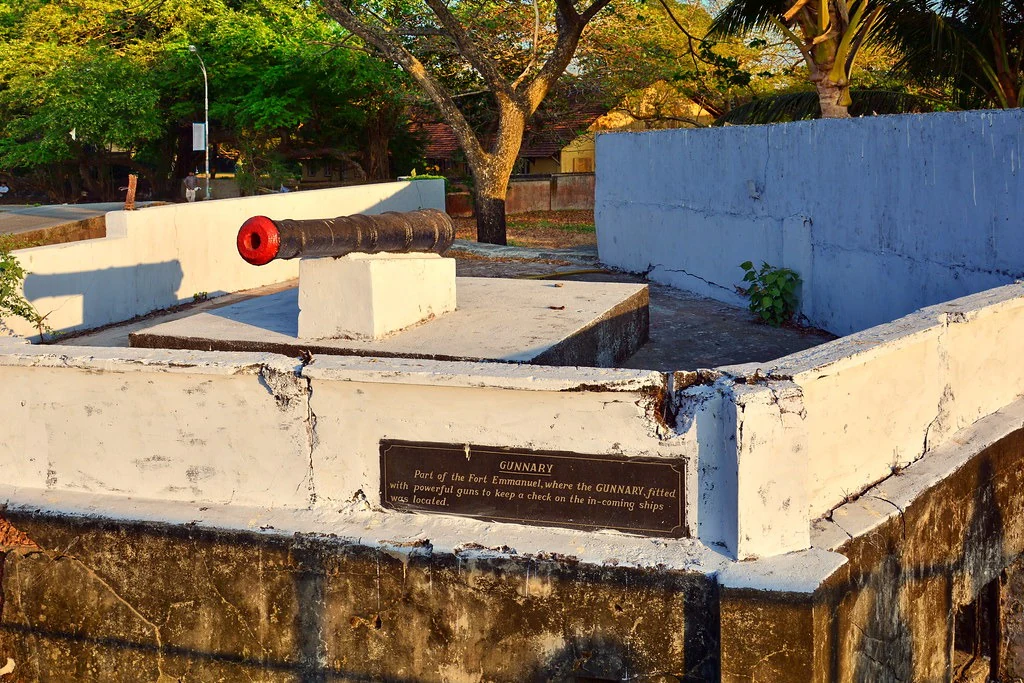
Fort Emmanuel is one of Fort Kochi's most significant historical landmarks and the first European fort built in India. Constructed by the Portuguese in 1503 and named after King Manuel I of Portugal, the fort was built to protect Kochi's harbor and strengthen the Portuguese spice trade. Although much of the original fort was demolished over the centuries, parts of its massive laterite walls still remain, offering visitors a glimpse into Fort Kochi's colonial past. Over the years, the fort came under Portuguese, Dutch, and British rule, each leaving its mark on the region's rich heritage. Today, Fort Emmanuel stands as a peaceful historical site overlooking the Arabian Sea, making it an excellent stop for history enthusiasts, photographers, and anyone exploring Fort Kochi's colonial legacy.

St. Francis Church

St. Francis Church

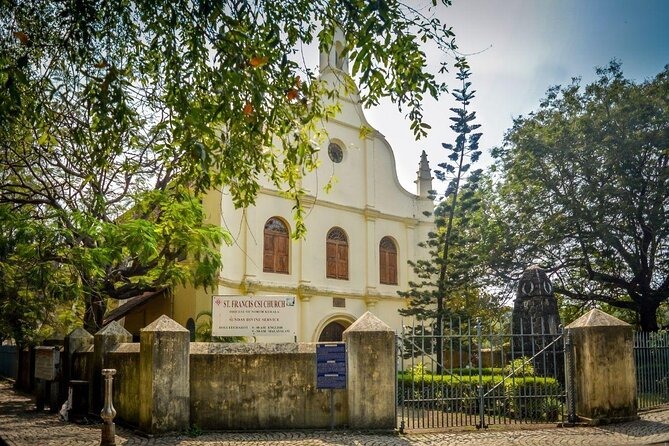
St. Francis Church is the oldest European church in India, built in 1503 by Portuguese Franciscan friars. It is one of Fort Kochi's most treasured heritage landmarks and a significant symbol of the city's colonial history. The church is best known as the original burial place of the Portuguese explorer Vasco da Gama, who was laid to rest here after his death in Kochi in 1524. His remains were later moved to Lisbon, Portugal, but the original tombstone can still be seen inside the church. Over the centuries, the church came under Portuguese, Dutch, and British administration, with each period contributing to its rich history. Today, visitors admire its simple European architecture, peaceful interiors, beautiful wooden ceiling, historic gravestones, and tranquil atmosphere.

Mattancherry Palace (Dutch Palace)

Mattancherry Palace (Dutch Palace)

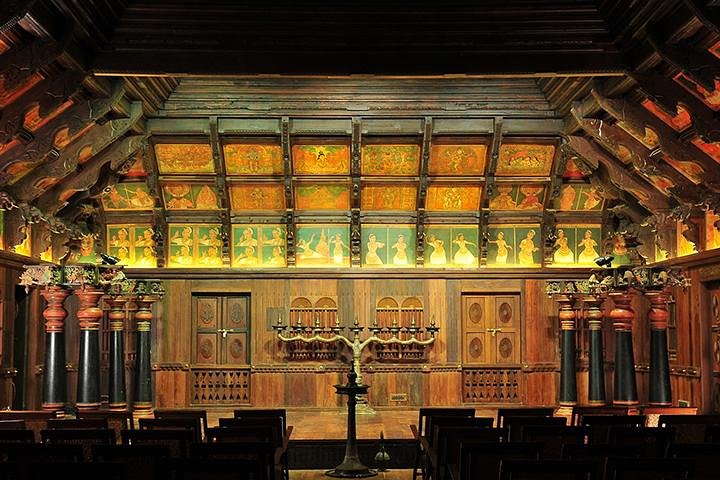
Despite its popular name, the Dutch Palace was originally built by the Portuguese in 1555 as a gift to the Raja of Kochi. It was later renovated by the Dutch in 1663, which is how it came to be known as the Dutch Palace. Today, it is one of Kerala's finest heritage museums and a remarkable example of traditional Kerala architecture blended with colonial influences. The palace is renowned for its exquisite Kerala murals, considered among the finest in India, depicting scenes from the Ramayana, Mahabharata, and Hindu mythology. Visitors can also explore royal portraits, ceremonial costumes, weapons, palanquins, coins, and artifacts that showcase the rich history of the Kochi Royal Family. Located in the heart of Mattancherry, the palace is a must-visit destination for anyone interested in Kerala's royal heritage, art, and colonial history.

Coonan Cross Shrine (Koonan Kurishu Shrine)

Coonan Cross Shrine (Koonan Kurishu Shrine)

The Coonan Cross Shrine (Koonan Kurishu Shrine) is one of the most significant Christian pilgrimage sites in Kerala. It commemorates the historic Coonan Cross Oath of 1653, when a large group of Saint Thomas Christians gathered here and pledged to resist Portuguese control over their church. This event marked a turning point in the history of Christianity in Kerala and led to the formation of independent Christian traditions. Today, the shrine is a peaceful place of worship and reflection, attracting pilgrims and history enthusiasts alike. Its serene surroundings and historical importance make it an essential stop for those interested in Fort Kochi's rich religious and cultural heritage.

Paradesi Synagogue (Jewish Synagogue)

Paradesi Synagogue (Jewish Synagogue)

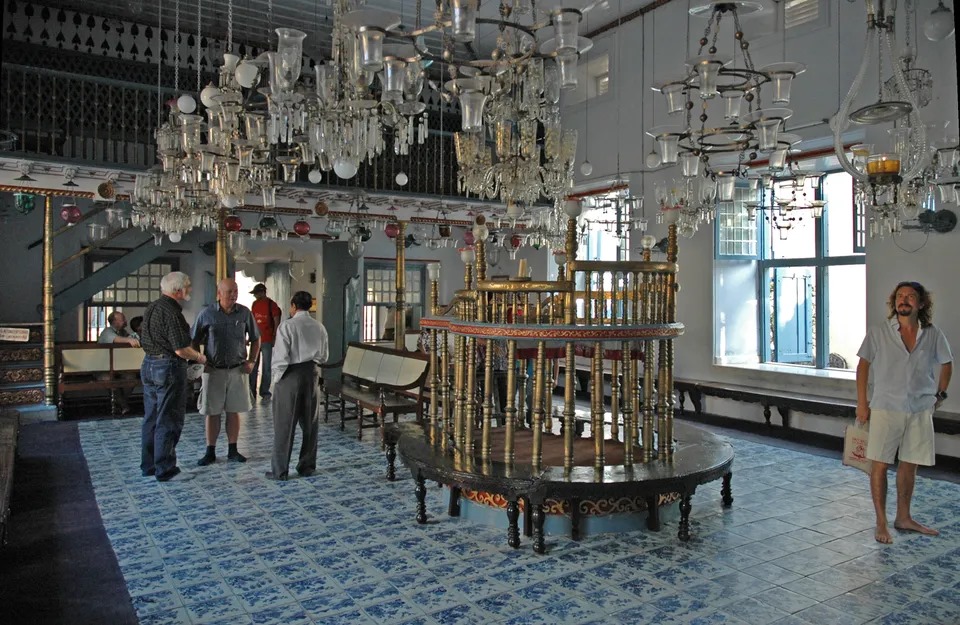
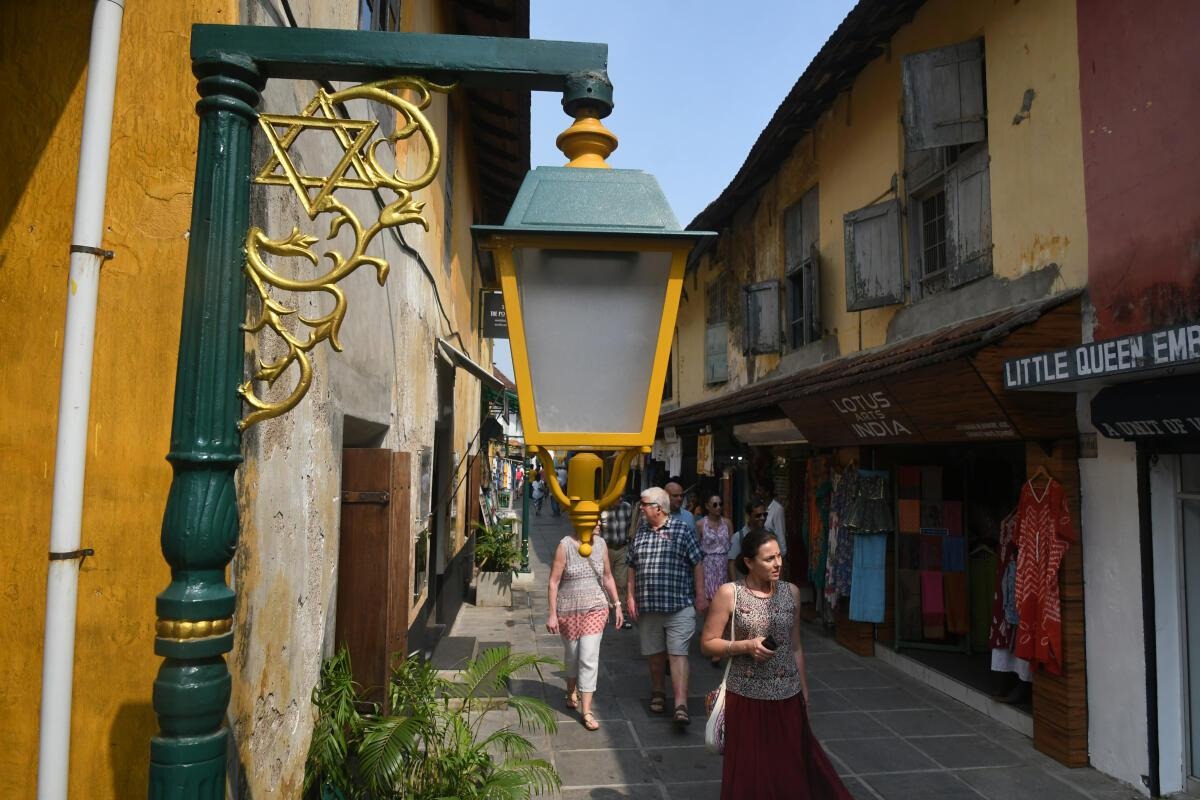
The Paradesi Synagogue, also known as the Jewish Synagogue, is the oldest active synagogue in the Commonwealth, built in 1568 by the Paradesi Jewish community of Kochi. Located in the heart of the historic Jew Town, it stands as one of Fort Kochi's most treasured heritage landmarks, reflecting centuries of Jewish history and cultural coexistence in Kerala. The synagogue is renowned for its hand-painted blue-and-white Chinese porcelain tiles, elegant Belgian crystal chandeliers, rare gold crowns, historic Torah scrolls, and an ornate brass clock tower. Its peaceful interiors and unique architecture offer visitors a fascinating glimpse into the rich legacy of Kochi's Jewish community. Surrounded by antique shops, spice stores, and charming heritage buildings, the Paradesi Synagogue remains one of the most visited cultural attractions in Fort Kochi and Mattancherry.

Santa Cruz Cathedral Basilica

Santa Cruz Cathedral Basilica

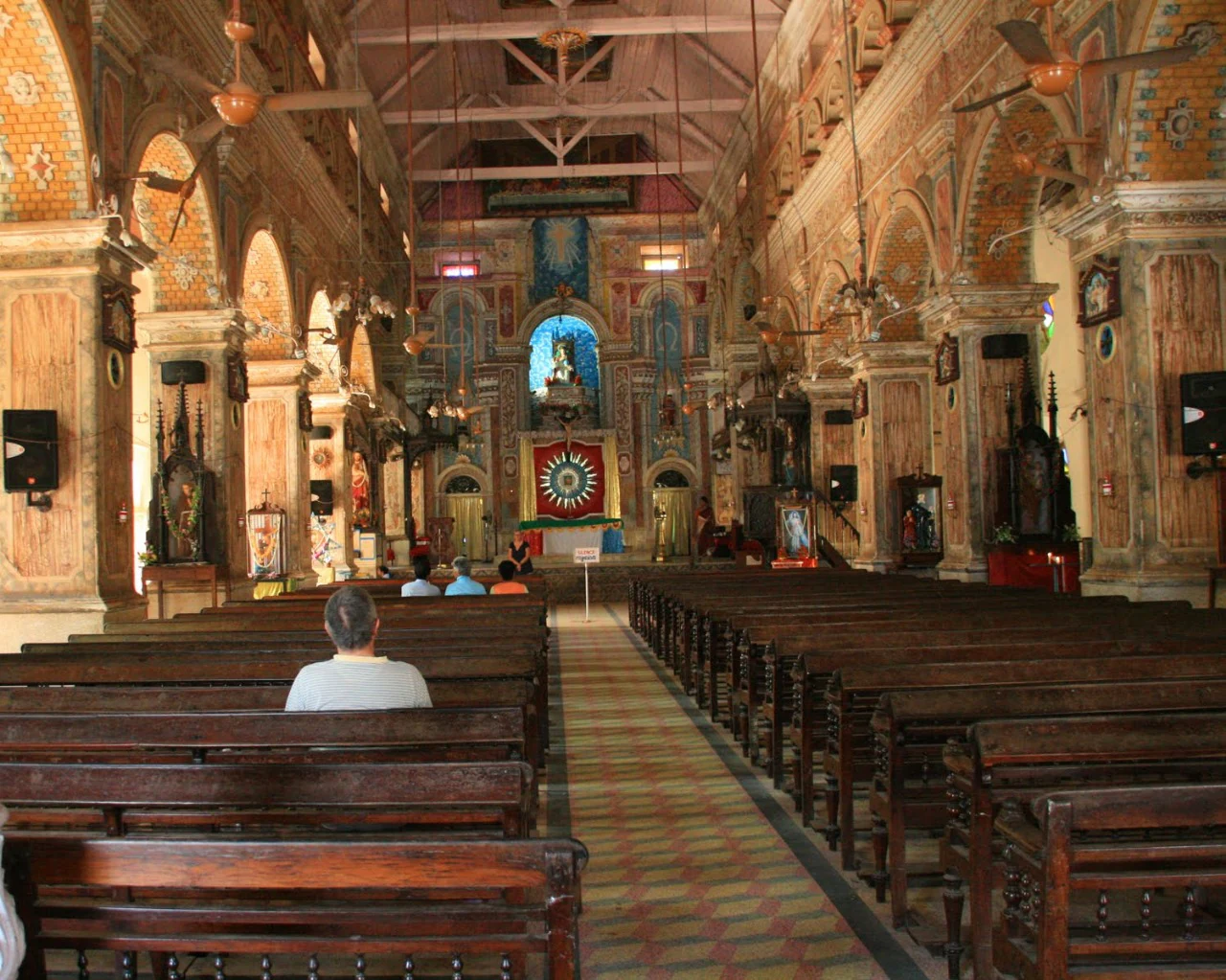
The Santa Cruz Cathedral Basilica is one of the finest and most beautiful churches in India, originally built by the Portuguese in 1505 and later elevated to the status of a Basilica by Pope John Paul II in 1984. It is one of the eight Basilicas in India and a prominent landmark in the heart of Fort Kochi. Renowned for its magnificent Gothic architecture, soaring spires, intricate stained-glass windows, and beautifully painted interiors, the basilica is a masterpiece of art and craftsmanship. The stunning ceiling frescoes, elegant arches, and vibrant murals depicting scenes from the life of Christ make it one of Fort Kochi's most admired religious monuments. Today, the basilica continues to serve as an active place of worship while welcoming visitors from around the world who come to appreciate its architectural grandeur, peaceful atmosphere, and rich colonial history.

Bazaar Road (Mattancherry Bazaar Street)

Bazaar Road (Mattancherry Bazaar Street)

Bazaar Road, also known as Mattancherry Bazaar Street, is one of the oldest and most vibrant trading streets in Kochi. For centuries, it has been the heart of the city's famous spice trade, where merchants from around the world once gathered to buy and sell Kerala's prized spices. Today, the bustling street is lined with traditional spice warehouses, antique shops, handicraft stores, cafés, and heritage buildings, preserving the charm of old Kochi. As you stroll through its lively lanes, you'll be greeted by the rich aromas of pepper, cardamom, cinnamon, cloves, and other spices that have earned Kochi its reputation as the "Spice Capital of India." A walk through Bazaar Road offers a unique glimpse into Fort Kochi's multicultural history, making it a must-visit destination for history lovers, photographers, and anyone looking to experience the authentic spirit of Kochi.

Jain Temple (Dharmanath Jain Temple)

Jain Temple (Dharmanath Jain Temple)

The Dharmanath Jain Temple in Mattancherry is one of Kerala's most peaceful and unique religious landmarks. Built in the early 20th century by the Jain community, the temple is dedicated to Lord Dharmanath, the 15th Tirthankara, and is admired for its elegant architecture, tranquil atmosphere, and beautifully crafted interiors. One of the temple's most fascinating traditions is the daily pigeon-feeding ceremony, where hundreds of pigeons gather in the courtyard, creating a memorable and picturesque experience for visitors. Surrounded by the historic streets of Mattancherry, the temple offers a quiet retreat and a glimpse into Kochi's rich multicultural and religious heritage.

Jew Town

Jew Town

Jew Town is one of the most charming and historic neighborhoods in Kochi, reflecting centuries of cultural diversity and heritage. Once home to the thriving Jewish community of Cochin, its narrow streets are lined with beautifully preserved colonial buildings, traditional spice warehouses, antique shops, art galleries, cafes, and boutique stores. At the heart of Jew Town lies the Paradesi Synagogue, making the area one of Fort Kochi's most visited cultural destinations. As you wander through its quaint lanes, you'll discover a unique blend of history, architecture, and local craftsmanship, where the aroma of spices fills the air and every corner tells a story of Kochi's rich trading past.

Indo-Portuguese Museum

Indo-Portuguese Museum

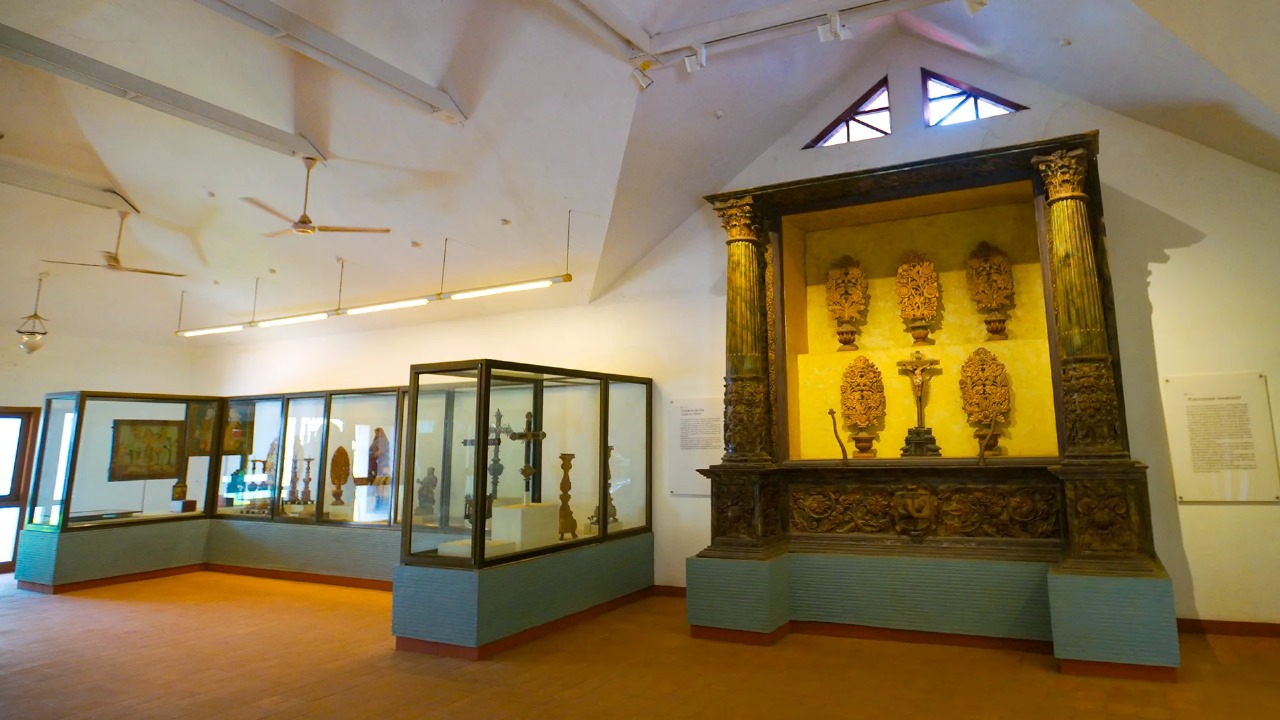
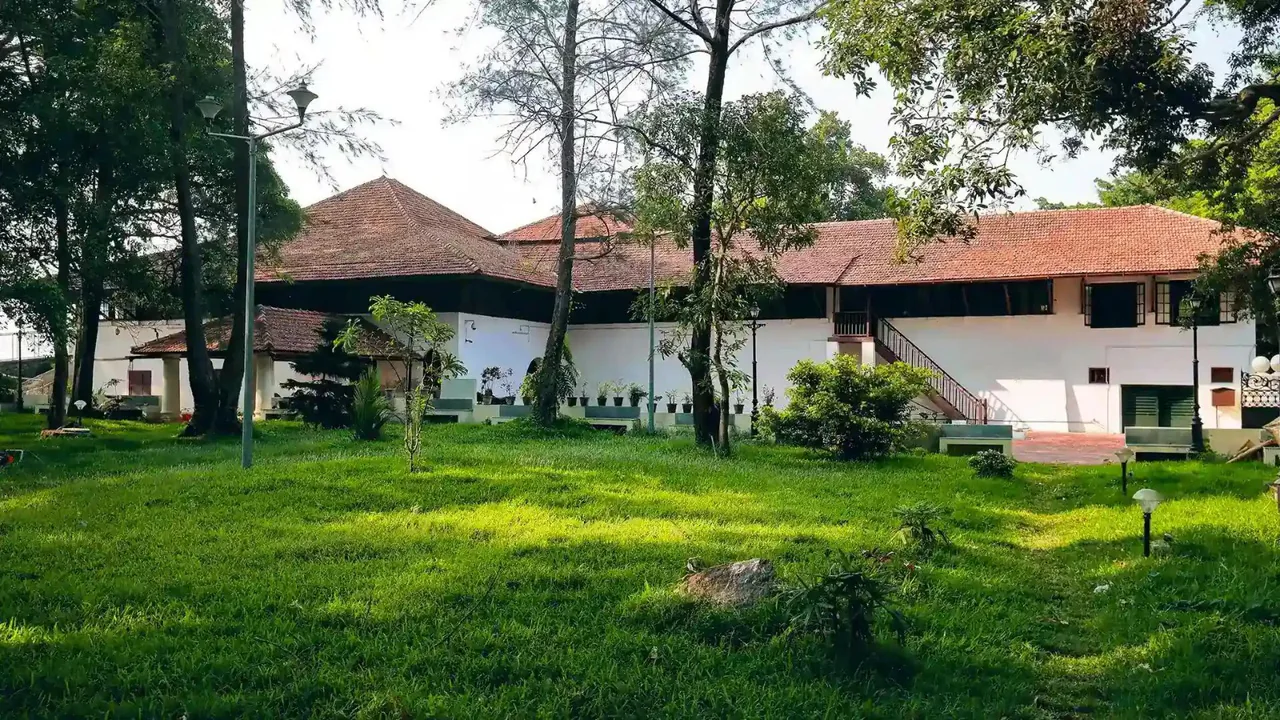
The Indo-Portuguese Museum offers a fascinating insight into the rich cultural and artistic legacy left behind by the Portuguese in Kerala. Established in 2001 by the Diocese of Kochi, the museum preserves valuable artifacts that reflect the fusion of Indian and Portuguese traditions in art, architecture, religion, and daily life. Housed within the historic Bishop's House complex near St. Francis Church, the museum features an impressive collection of wooden altars, sacred sculptures, church vestments, silver processional crosses, furniture, manuscripts, and archaeological relics dating back to the 16th century. It is an ideal destination for history enthusiasts, art lovers, and anyone interested in Fort Kochi's unique colonial heritage.

Maritime Museum (INS Dronacharya Maritime Museum)

Maritime Museum (INS Dronacharya Maritime Museum)

The Maritime Museum in Fort Kochi, managed by the Indian Navy, offers a fascinating journey through India's rich maritime heritage and Kerala's long-standing relationship with the sea. Located near the historic Fort Kochi Beach, the museum showcases the evolution of naval history, traditional shipbuilding, seafaring, and the strategic importance of Kochi as a major port. Visitors can explore an extensive collection of naval equipment, ship models, maritime artifacts, uniforms, weapons, navigation instruments, and historical photographs, providing insight into the development of the Indian Navy and the region's maritime legacy. The museum is an excellent destination for history enthusiasts, families, and anyone interested in India's naval traditions.

Pierce Leslie Bungalow

Pierce Leslie Bungalow

Pierce Leslie Bungalow is one of Fort Kochi's finest colonial landmarks, standing as a testament to the city's prosperous trading history. Built in the late 19th century, the bungalow served as the headquarters of Pierce Leslie & Co., one of the leading British trading companies involved in the export of spices, tea, coffee, and coir from Kochi to the rest of the world. Situated along the scenic waterfront, the building showcases elegant colonial architecture with spacious verandahs, high ceilings, wooden interiors, and panoramic views of Kochi Harbour. Although it is not generally open to the public, the bungalow remains an iconic heritage structure admired for its historical significance and architectural beauty.

Bastion Bungalow

Bastion Bungalow

Bastion Bungalow is one of the oldest surviving Dutch colonial buildings in Fort Kochi and a remarkable reminder of the city's rich European heritage. Built in the 17th century on the site of the former Bastion Stromberg of Fort Emmanuel, the bungalow once served as an important colonial residence during Dutch rule. Overlooking Fort Kochi Beach, the building is admired for its classic Dutch architecture, featuring sloping tiled roofs, thick laterite walls, spacious verandahs, and elegant wooden details. Today, it stands as a beautifully preserved heritage landmark, offering visitors a glimpse into Fort Kochi's colonial past and architectural legacy. Located close to the Chinese Fishing Nets, Vasco da Gama Square, and Fort Kochi Beach, Bastion Bungalow is a popular stop for history enthusiasts and photographers exploring the heritage trail.

Aspinwall House

Aspinwall House

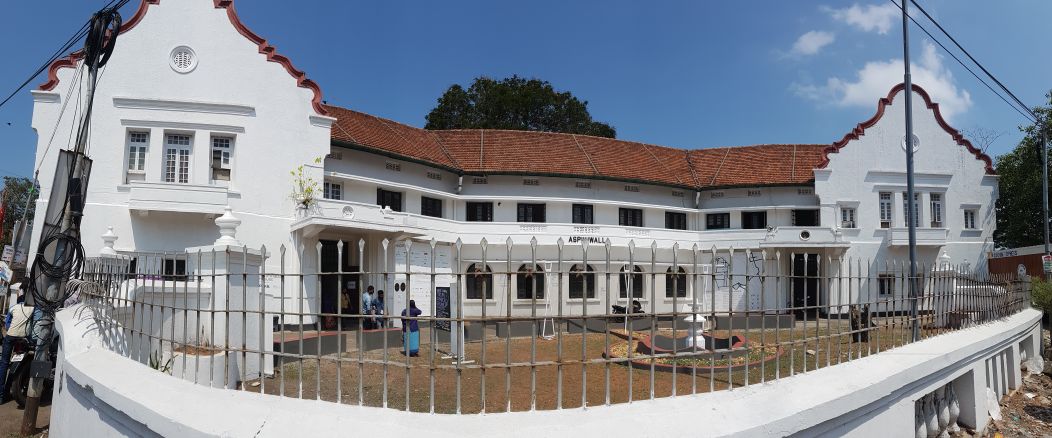
Aspinwall House is one of Fort Kochi's most iconic heritage landmarks and a symbol of the city's rich maritime and trading history. Established in 1867 by the British trading company Aspinwall & Company, this expansive waterfront property once served as a bustling warehouse for exporting spices, tea, coffee, timber, and coir from the Port of Kochi to destinations around the world. Today, Aspinwall House is internationally renowned as the main venue of the Kochi-Muziris Biennale, India's largest contemporary art festival. Its beautifully preserved colonial warehouses, open courtyards, and waterfront setting provide a unique backdrop for world-class art exhibitions, cultural events, and creative installations. Blending history, architecture, and contemporary art, Aspinwall House has become one of Fort Kochi's most visited cultural destinations.

Burger Street

Burger Street

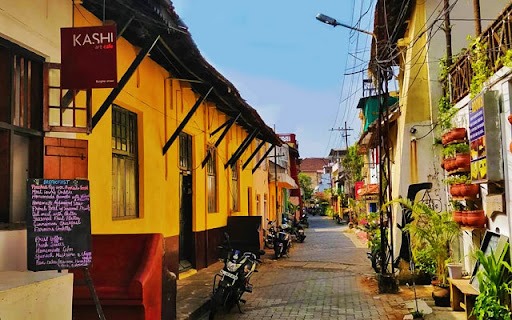
Burger Street is one of Fort Kochi's charming heritage lanes, celebrated for its beautifully preserved colonial buildings, colorful facades, boutique cafes, local eateries, art galleries, and handicraft shops. Nestled in the heart of the historic town, the street perfectly captures the relaxed and artistic spirit that makes Fort Kochi so unique. A leisurely walk along Burger Street offers visitors the chance to discover hidden cafes, browse locally crafted souvenirs, admire heritage architecture, and experience the vibrant culture of this historic neighborhood. Its peaceful atmosphere and picturesque surroundings make it a favorite spot for photography and slow exploration.

Great K.V. Kathakali Centre

Great K.V. Kathakali Centre

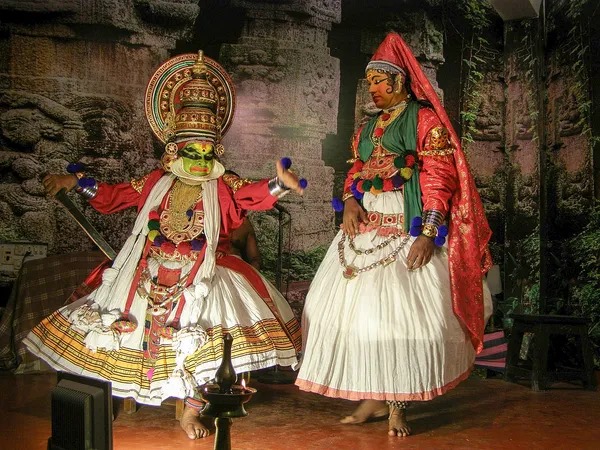
The Great K.V. Kathakali Centre is one of Fort Kochi's most renowned cultural venues, dedicated to preserving and showcasing Kerala's rich performing arts. Visitors can witness captivating Kathakali dance performances, experience the ancient martial art of Kalaripayattu, and enjoy traditional Kerala music in an intimate and authentic setting. One of the highlights of the experience is the opportunity to watch the live Kathakali makeup demonstration, where skilled artists transform performers using elaborate costumes, vibrant facial makeup, and expressive techniques before the performance begins. The centre offers an unforgettable insight into Kerala's centuries-old artistic traditions, making it a must-visit for culture enthusiasts.

Pepper House

Pepper House

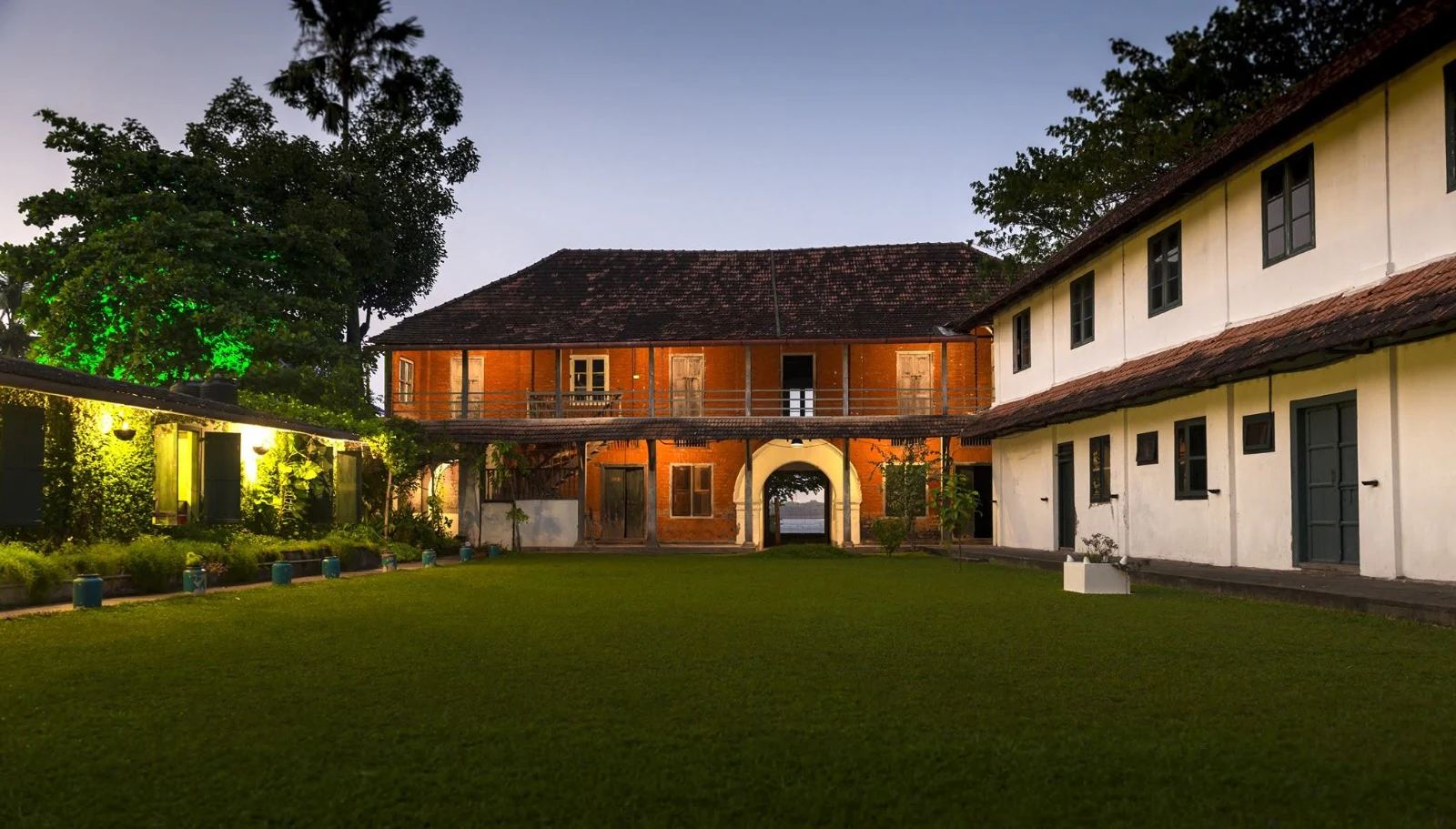
A beautifully restored heritage warehouse in the heart of Fort Kochi, Pepper House was once a center of the historic spice trade. Today, it has been transformed into a vibrant cultural hub featuring contemporary art galleries, artist studios, exhibitions, a charming cafe, and peaceful courtyards. Blending Kochi's colonial architecture with modern creativity, it is a must-visit destination for art enthusiasts, photographers, and anyone looking to experience the city's thriving cultural scene.

Napier Street

Napier Street

Napier Street is one of Fort Kochi's most picturesque heritage streets, celebrated for its beautifully preserved colonial architecture, colorful homes, and peaceful atmosphere. Lined with charming heritage buildings, boutique homestays, cafes, art spaces, and lush greenery, the street perfectly reflects the timeless character of historic Fort Kochi. A leisurely walk along Napier Street offers visitors a glimpse into the town's colonial past while enjoying its relaxed neighborhood charm. Its quiet surroundings and photogenic streetscape make it a favorite among photographers, artists, and travelers looking to experience the authentic beauty of Fort Kochi away from the crowds.

Koder House

Koder House

Koder House is one of Fort Kochi's most distinguished heritage landmarks and the only remaining example of Cochin Jewish architecture in the city. Built in 1808, it was the residence of the prominent Koder family, one of the wealthiest and most influential Jewish families in Kochi who played a significant role in the region's spice trade. Located opposite Vasco da Gama Square and just a short walk from the Chinese Fishing Nets, Koder House showcases elegant colonial architecture with spacious verandahs, arched windows, wooden interiors, and traditional design elements that reflect Fort Kochi's multicultural heritage. Today, the beautifully restored building operates as a heritage hotel, preserving its historical character while offering visitors a glimpse into the rich legacy of Kochi's Jewish community and colonial past.

Vasco House

Vasco House

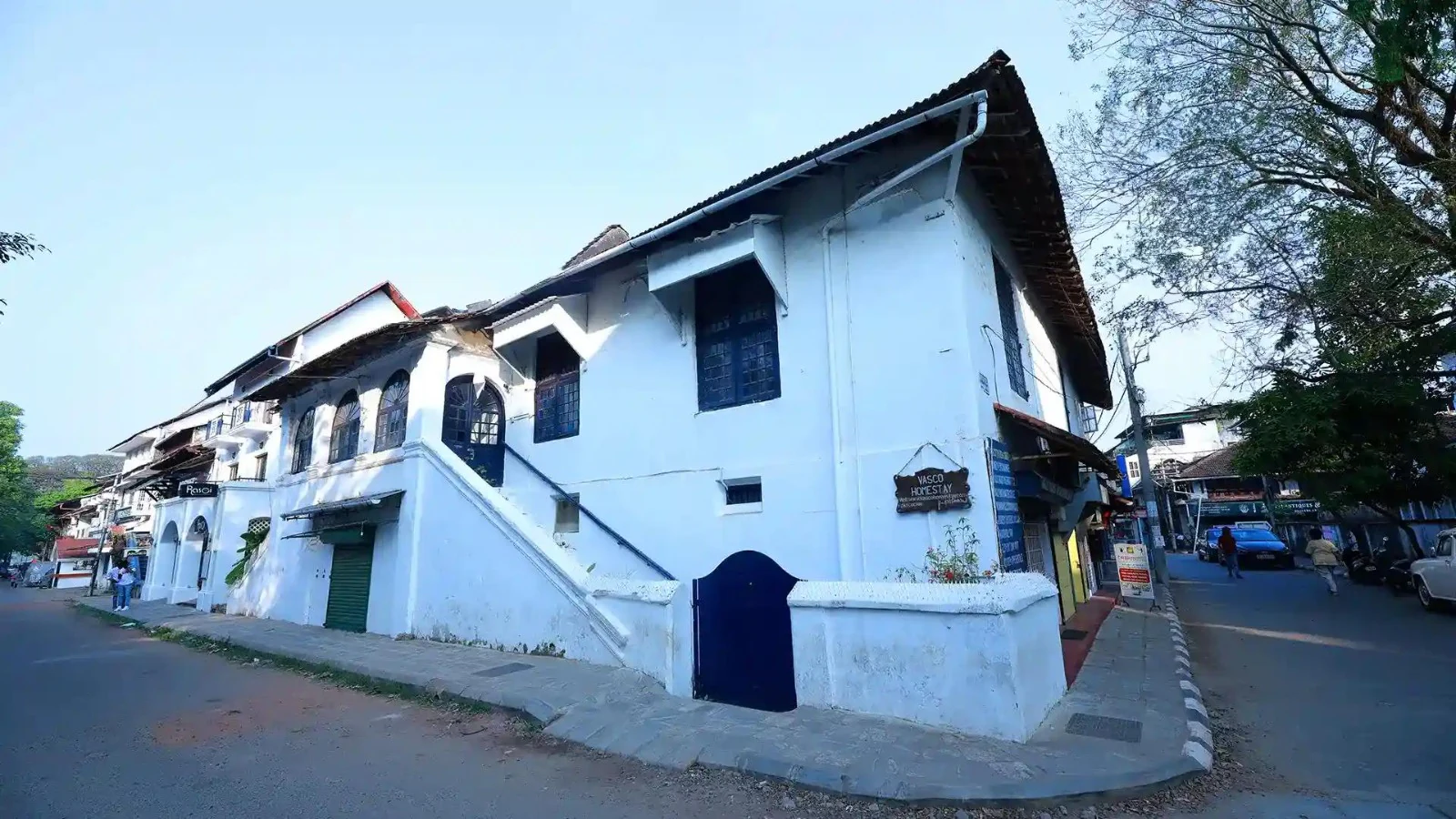
Vasco House is one of the oldest surviving Portuguese residences in Fort Kochi and is believed to date back to the 16th century. According to local tradition, the house is said to have been the residence of the famous Portuguese explorer Vasco da Gama during his visits to Kochi, although this has not been conclusively verified by historians. The building is admired for its distinctive Portuguese colonial architecture, featuring thick laterite walls, elegant arched verandahs, wooden balconies, and traditional European design elements. Located near St. Francis Church and other prominent heritage landmarks, Vasco House offers visitors a glimpse into the early days of European settlement and the rich colonial history of Fort Kochi. Although the house is privately owned and not generally open to the public, it remains an important historical landmark and a popular stop on Fort Kochi's heritage walking trail.

Vasco da Gama Square

Vasco da Gama Square

Vasco da Gama Square is one of Fort Kochi's most iconic waterfront destinations and a lively gathering place for both locals and visitors. Named after the famous Portuguese explorer Vasco da Gama, the square is best known for its spectacular views of the Arabian Sea and the world-famous Chinese Fishing Nets, making it one of the most photographed locations in Kerala. The vibrant promenade is lined with street food stalls, local vendors, and shaded seating areas, creating the perfect setting to relax, enjoy fresh seafood, watch fishermen at work, or witness Fort Kochi's breathtaking sunsets. Surrounded by historic landmarks such as Koder House, Fort Kochi Beach, and St. Francis Church, Vasco da Gama Square serves as the heart of Fort Kochi's heritage and cultural experience.

United Club, Fort Kochi

United Club, Fort Kochi

Founded in 1887, the United Club is one of the oldest and most prestigious social clubs in Kerala. Established during the British colonial era, it has long served as a gathering place for residents, professionals, and visitors, preserving over a century of Fort Kochi's social and cultural heritage. Set within a beautifully maintained colonial-style building, the club is surrounded by lush gardens and offers a peaceful atmosphere that reflects the elegance of a bygone era. Its classic architecture, spacious verandahs, and timeless charm make it one of Fort Kochi's notable heritage landmarks. Although primarily a private members' club, the building remains an important part of Fort Kochi's colonial legacy and is admired by visitors exploring the area's historic streets.

Mattancherry Spice Market

Mattancherry Spice Market

The Mattancherry Spice Market is one of Kochi's oldest and most vibrant trading hubs, where the rich aroma of Kerala's world-famous spices fills the air. For centuries, this bustling market has been at the heart of the city's spice trade, attracting merchants from across the globe and playing a vital role in Kochi's reputation as the "Spice Coast of India." As you stroll through its lively streets, you'll find traditional spice warehouses, wholesale merchants, and local shops selling an array of authentic Kerala spices, including black pepper, cardamom, cinnamon, cloves, nutmeg, turmeric, ginger, and vanilla. The market offers visitors a fascinating glimpse into Kochi's centuries-old trading heritage while providing an opportunity to purchase fresh, high-quality spices directly from local traders. Located near Jew Town, the Paradesi Synagogue, and the Mattancherry Palace (Dutch Palace), the Spice Market is a must-visit destination for food lovers, history enthusiasts, and anyone looking to experience the authentic sights, sounds, and aromas of Kerala.

Bolgatty Palace

Bolgatty Palace

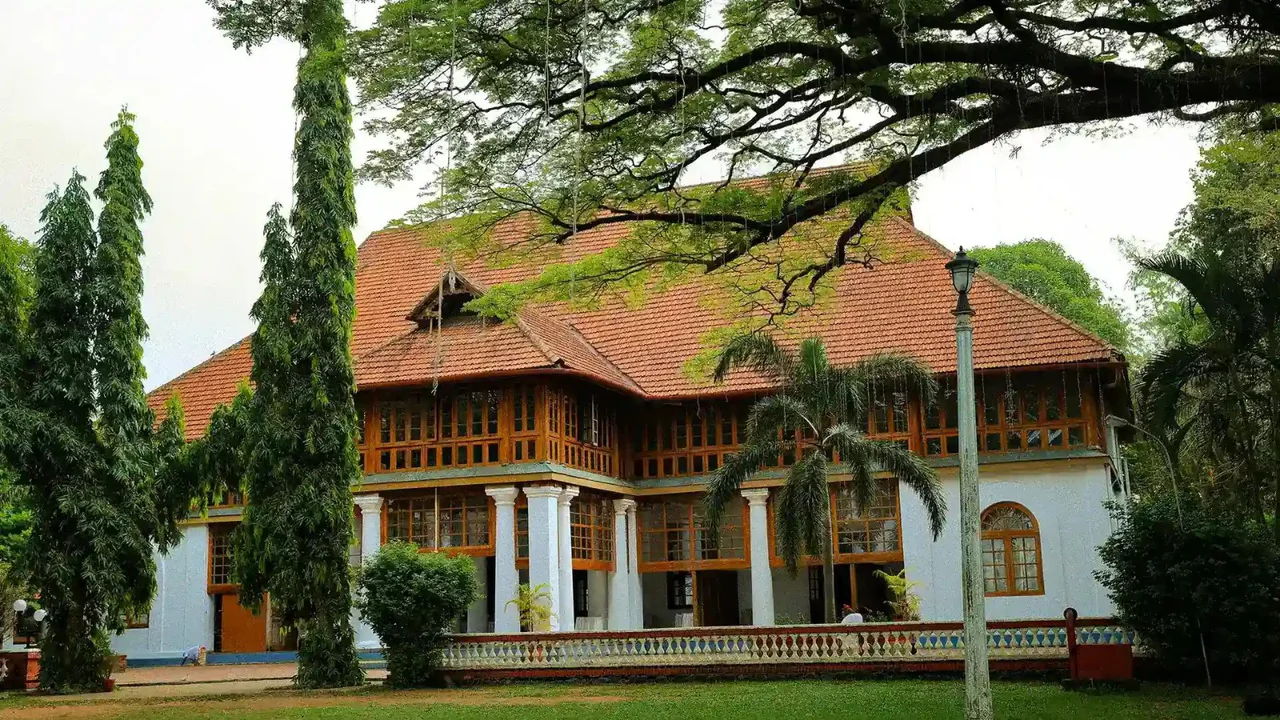
Bolgatty Palace is one of the oldest existing Dutch palaces outside the Netherlands, built in 1744 by Dutch traders on the scenic Bolgatty Island in Kochi. Surrounded by lush gardens and overlooking the tranquil backwaters, the palace is a remarkable example of Dutch colonial architecture and one of Kerala's most cherished heritage landmarks. Originally built as the residence of the Dutch Governor, the palace later served as the British Residency before being transformed into a heritage hotel managed by the Kerala Tourism Development Corporation (KTDC). Today, visitors can admire its elegant colonial design, beautifully landscaped gardens, waterfront views, and peaceful surroundings. Located just a short drive or ferry ride from Fort Kochi, Bolgatty Palace offers a perfect blend of history, architecture, and natural beauty, making it a popular destination for history lovers, photographers, and travelers seeking a relaxing escape.

Old Harbour Hotel

Old Harbour Hotel

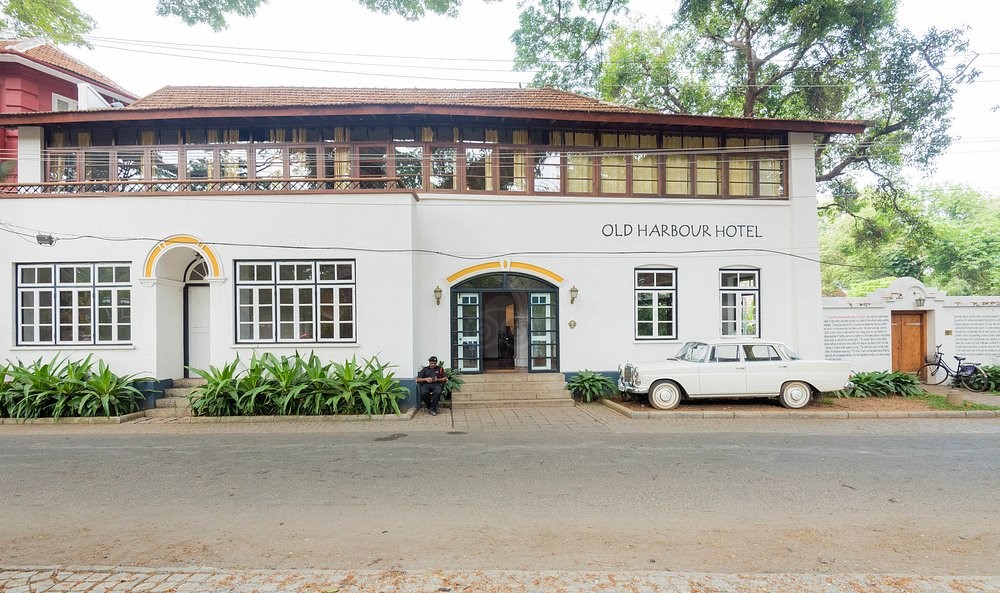
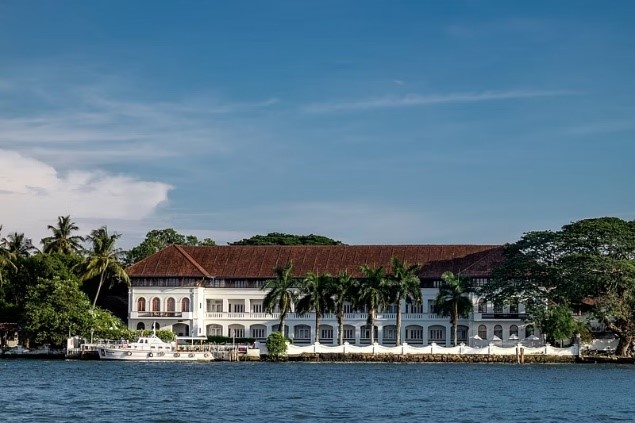
Old Harbour Hotel is one of Fort Kochi's most treasured heritage landmarks, housed in a beautifully restored building that is over 300 years old. Originally built during the Portuguese period, it was later rebuilt by the Dutch and modified under British rule, reflecting the rich colonial history of Fort Kochi. It is regarded as the first hotel of old Cochin and once served sailors, merchants, and later employees of British tea-broking companies. After years of neglect, the building was carefully restored in 2006 while preserving its original Dutch-Portuguese architecture. Today, Old Harbour Hotel stands as a symbol of Fort Kochi's maritime heritage, blending history, culture, and timeless elegance, making it one of Kerala's most iconic heritage boutique hotels.

The Tower House

The Tower House

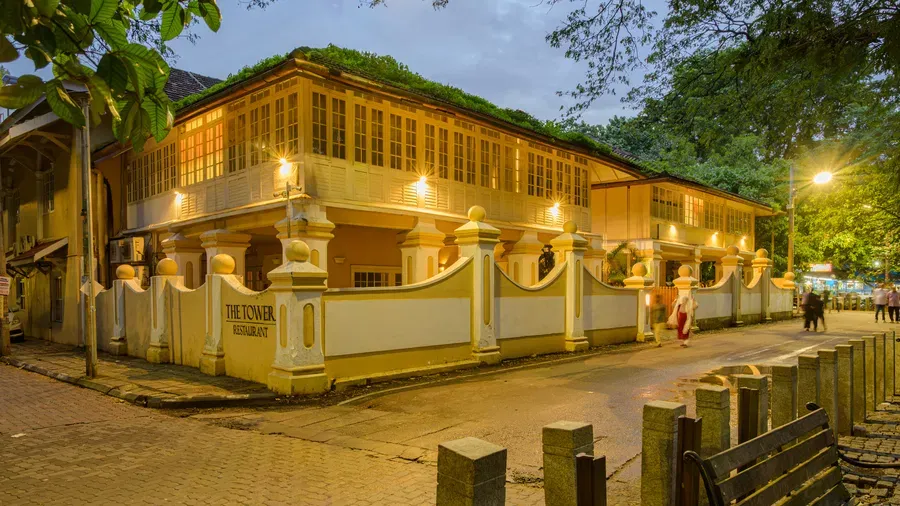
The Tower House is one of Fort Kochi's most distinctive heritage landmarks, located opposite the famous Chinese Fishing Nets on Tower Road. The building stands on the site of a 17th-century lighthouse, from which it derives its name, and its thick bastion walls once formed part of Fort Kochi's coastal defenses overlooking the harbour. Over the centuries, it welcomed sailors, traders, and colonial officials, reflecting Fort Kochi's importance as a maritime trading port. Carefully restored as a heritage hotel, The Tower House preserves its colonial architecture while offering visitors an authentic glimpse into Kochi's rich Portuguese, Dutch, and British legacy. Today, it remains one of the city's most iconic heritage stays, celebrated for its historical significance and spectacular waterfront location.

Lord Willingdon Dredger Monument

Lord Willingdon Dredger Monument

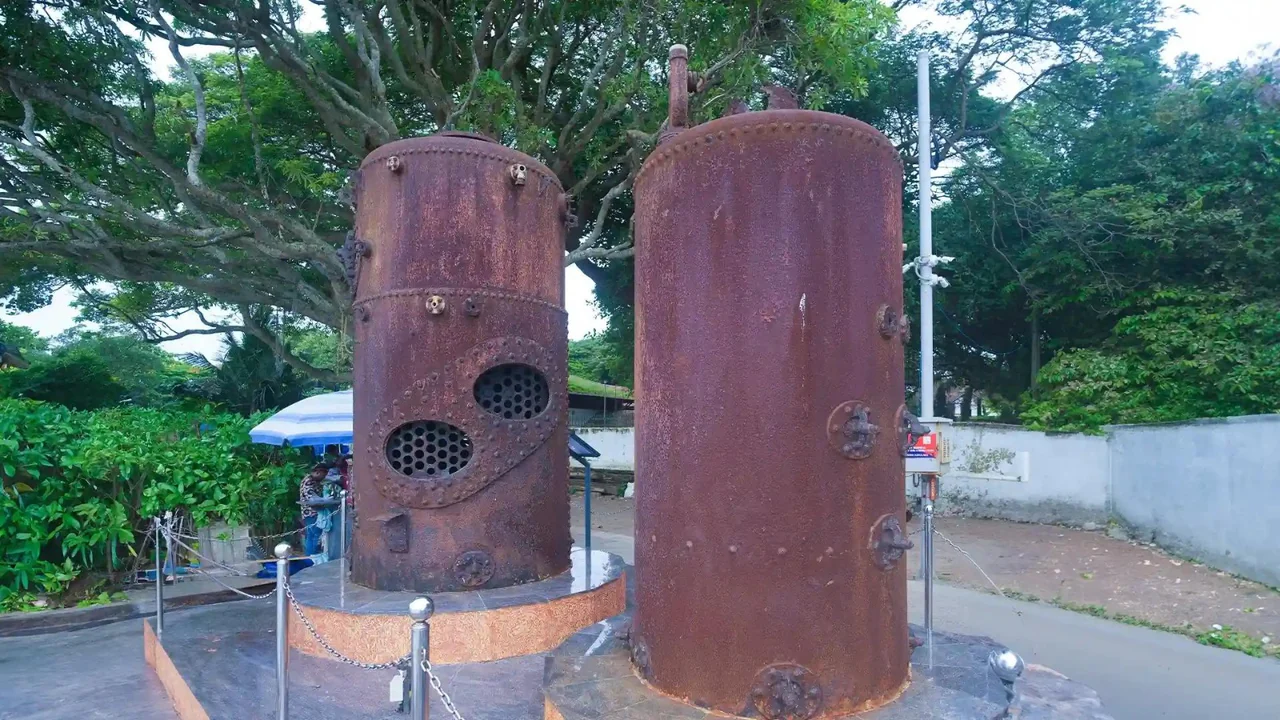
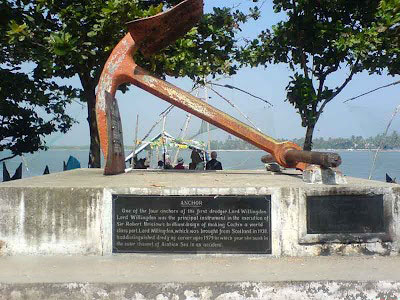
The Lord Willingdon Dredger Monument, located along the Fort Kochi waterfront near Vasco da Gama Square, commemorates the historic dredging project of the 1920s that transformed Kochi into one of India's finest natural harbours. Under the guidance of renowned engineer Sir Robert Bristow and during the tenure of Lord Willingdon, the Viceroy of India, extensive dredging deepened the harbour channel, and the excavated material was used to create Willingdon Island, now home to Kochi Port, the Indian Naval Base, and several major commercial establishments. The monument honours the dredger that played a vital role in this remarkable engineering feat, symbolizing the vision and determination that established Kochi as a major maritime gateway for trade and commerce. Today, it is a significant stop on Fort Kochi's heritage trail, standing as a lasting reminder of one of Kerala's greatest engineering achievements and the birth of modern Kochi Port.

The Great Fire Monument

The Great Fire Monument

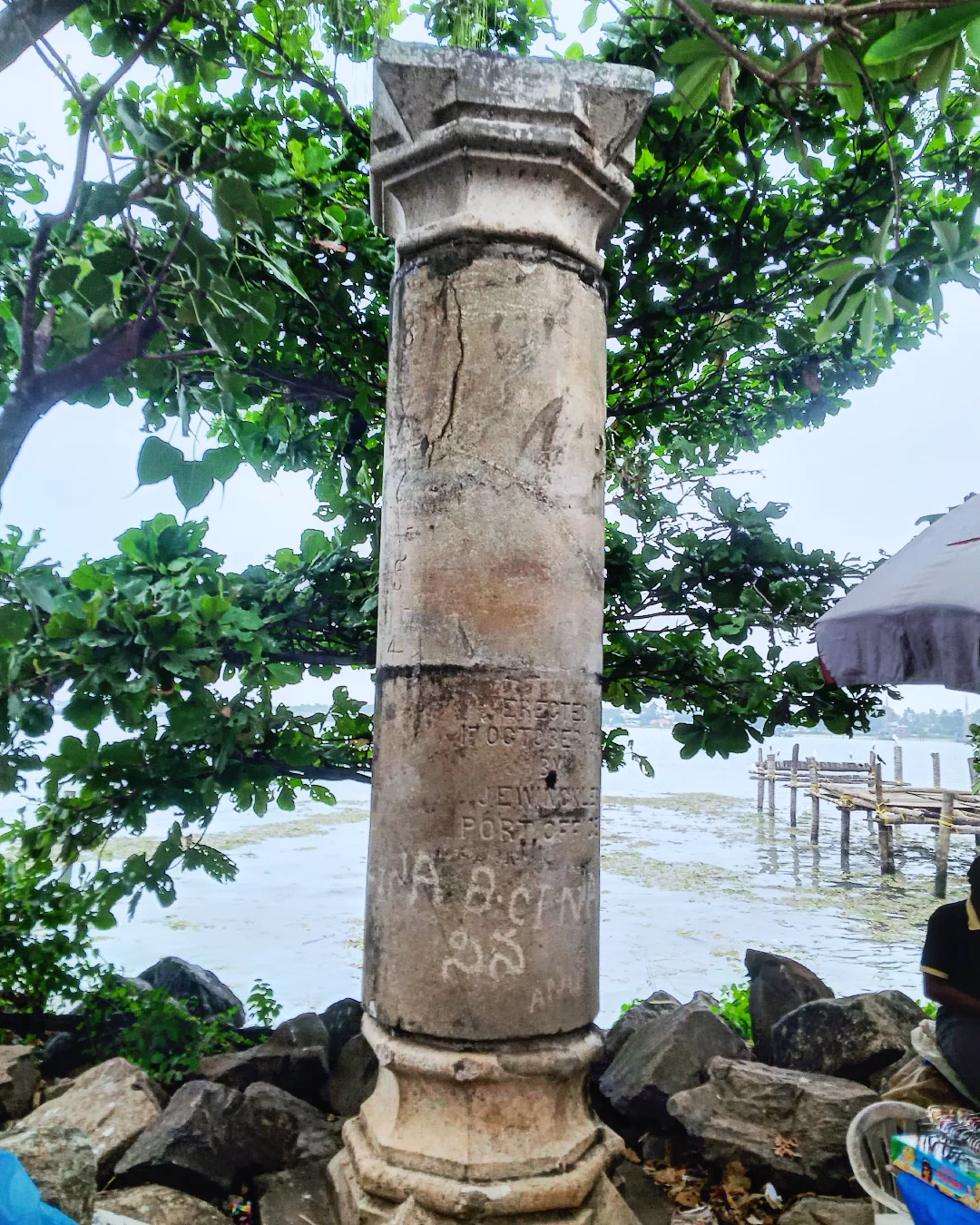
The Great Fire Monument in Fort Kochi commemorates the devastating Great Fire of Cochin, which occurred on 4 January 1889. The tragedy began when the merchant ship Chandrabhanu, carrying highly flammable cargo such as coconut oil, copra, coir, carpets, and spices, caught fire while anchored in Cochin Harbour. Driven by strong winds, the burning vessel drifted toward the shore, spreading flames that destroyed nearly 300 houses, warehouses, and commercial buildings, making it one of the worst disasters in Kochi's history. To preserve the memory of this catastrophic event, Port Captain Wrinkler erected the memorial pillar on the Fort Kochi beach. Today, the monument stands as a symbol of resilience and remembrance, highlighting a pivotal event that reshaped Fort Kochi's urban landscape and remains an important part of the city's colonial and maritime heritage.

Le Colonial

Le Colonial

Le Colonial is a beautifully restored heritage building in the heart of Fort Kochi that reflects the town's rich Portuguese, Dutch, and British colonial past. Originally built as a colonial residence and later adapted for commercial use, the property has been carefully preserved to retain its traditional architecture, featuring high wooden ceilings, spacious verandas, and elegant courtyards. Located close to several historic landmarks, Le Colonial offers visitors an authentic glimpse into Fort Kochi's unique blend of European and Kerala architectural styles. Today, it stands as an important part of the city's heritage landscape, showcasing the successful preservation of colonial-era buildings while celebrating Fort Kochi's cultural, architectural, and maritime legacy.

David Hall

David Hall

David Hall is one of Fort Kochi's most significant heritage landmarks, originally built in 1695 by the Dutch East India Company as the residence of the Dutch commander Hendrik Adriaan van Reede, who is renowned for compiling the famous botanical work Hortus Malabaricus. After the British took control of Cochin in 1795, the building became the residence of David Koder, a prominent Jewish merchant, from whom it derives its present name. Carefully restored by the CGH Earth Group, David Hall now functions as a vibrant cultural centre, hosting art exhibitions, music performances, literary events, and workshops. It stands as a remarkable example of Dutch colonial architecture and symbolizes Fort Kochi's rich blend of European, Jewish, and Kerala heritage, making it one of the city's most important cultural and historical landmarks.

Parade Ground

Parade Ground

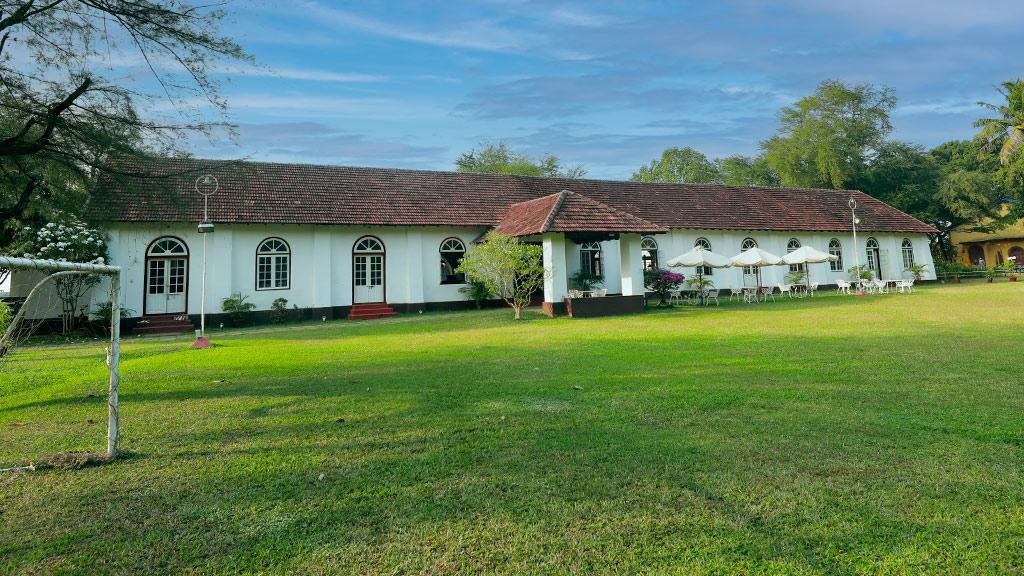
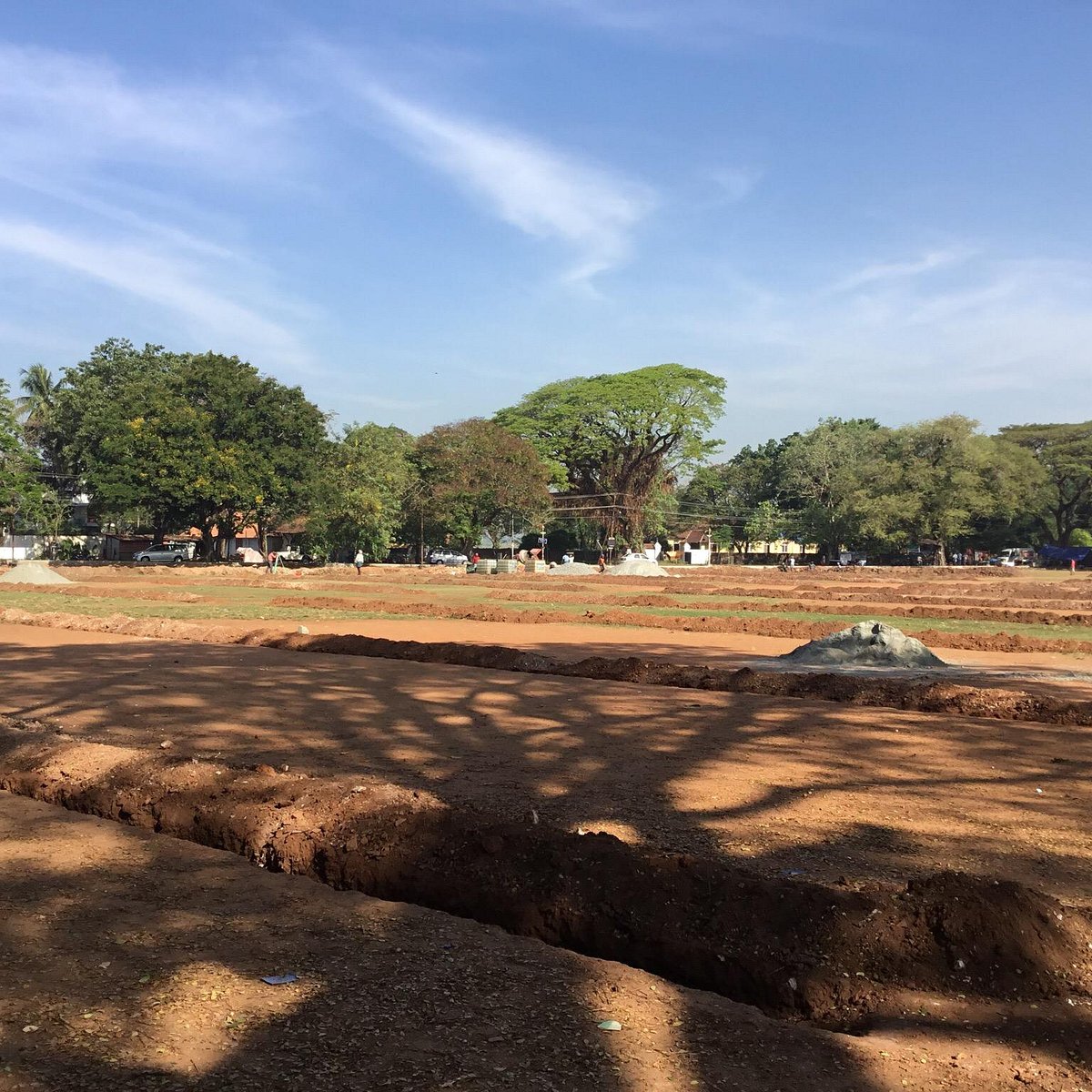
Parade Ground, located in the heart of Fort Kochi, is a historic open field that dates back to the British colonial period. It was originally used by the British Army as a military parade and drill ground, where soldiers conducted ceremonial marches, training exercises, and official gatherings. Surrounded by several important heritage landmarks, the ground reflects Fort Kochi's strategic importance as a colonial military and administrative centre. After India's independence, Parade Ground evolved into a public recreational space and today hosts sports activities, cultural events, festivals, and community gatherings. It remains an important landmark that preserves the colonial legacy of Fort Kochi while serving as a vibrant public space for both residents and visitors.

Malabar House

Malabar House

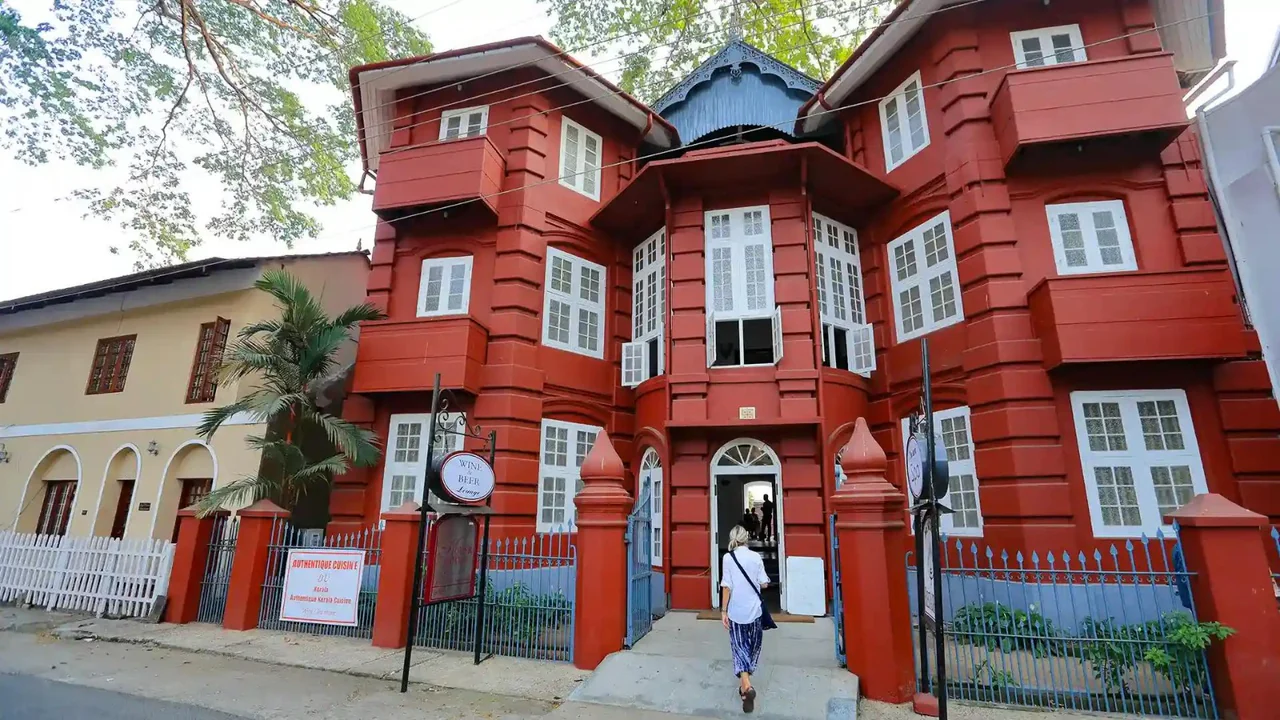
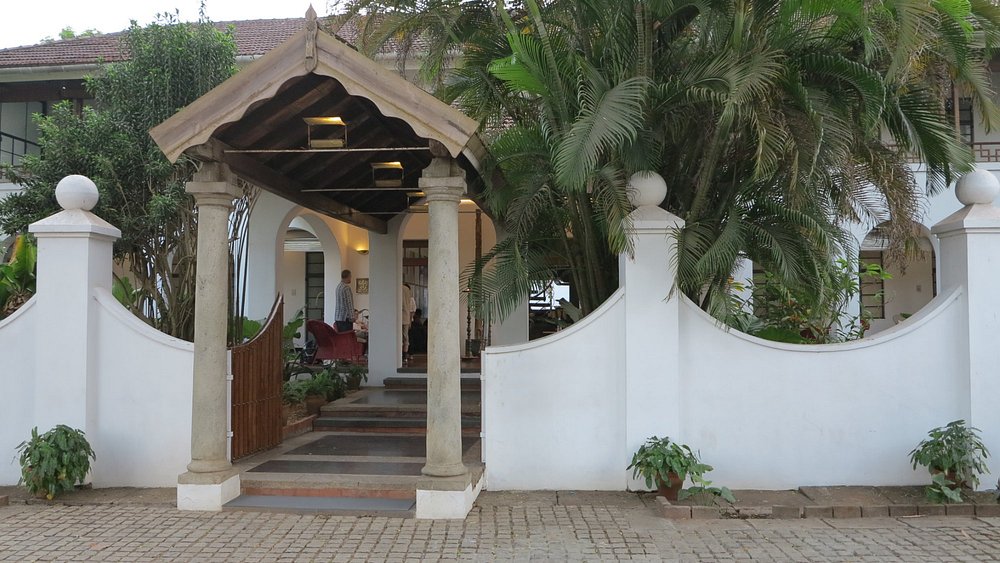
Malabar House is one of Fort Kochi's most celebrated heritage boutique hotels, housed in a beautifully restored colonial-era mansion that reflects the town's rich Portuguese, Dutch, and British influences. Originally built as part of Fort Kochi's historic trading quarter, the property has been carefully renovated while preserving its traditional architecture, featuring wooden beams, terracotta-tiled roofs, spacious courtyards, and elegant colonial interiors. Opened as Kerala's first boutique heritage hotel, Malabar House combines historic charm with contemporary art and luxury hospitality. Over the years, it has gained international recognition for its architecture, cultural ambience, and exceptional service, making it an iconic landmark that showcases Fort Kochi's unique blend of history, art, and maritime heritage.

Bernard Bungalow

Bernard Bungalow

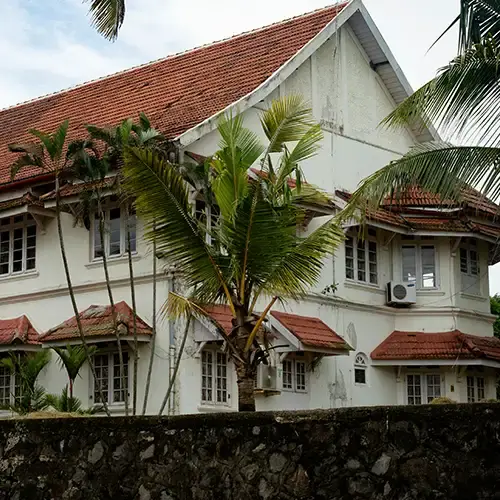
Bernard Bungalow is a charming colonial-era heritage bungalow in Fort Kochi that reflects the town's rich European architectural legacy. Built during the late British period, the bungalow is noted for its elegant colonial design, featuring high ceilings, spacious verandas, wooden beams, and traditional Kerala craftsmanship blended with European influences. Like many historic residences in Fort Kochi, it was once home to prominent colonial officials and merchants associated with the city's thriving maritime trade. Carefully preserved over the years, Bernard Bungalow stands as a reminder of Fort Kochi's cosmopolitan past, where Portuguese, Dutch, British, and local cultures coexisted. Today, it remains an important heritage landmark, admired for its architectural beauty and its contribution to preserving the unique historical character of Fort Kochi.

Spencer House

Spencer House

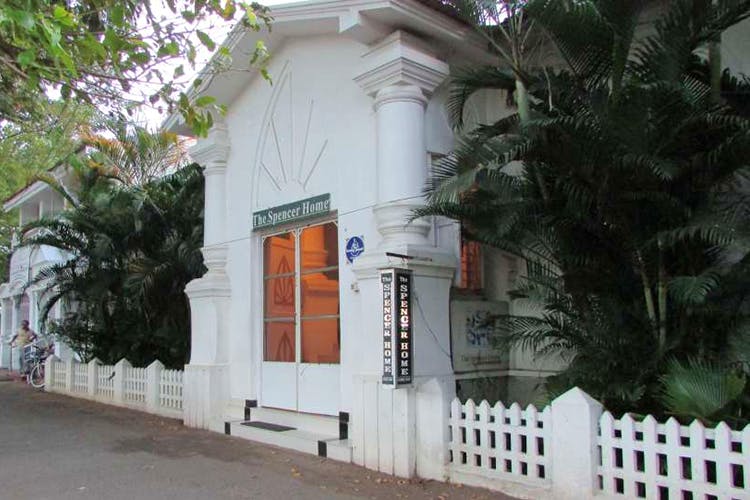
Spencer House is one of Fort Kochi's notable colonial-era heritage buildings, closely associated with the Spencer & Co., one of the oldest British trading companies in India. Established in the late 19th century, the company played a significant role in the trade of spices, tea, coffee, and other commodities exported through the Port of Cochin. Strategically located near the old harbour, Spencer House served as an important commercial office during the British era, reflecting Fort Kochi's prominence as a thriving maritime trading centre. Its colonial architecture, featuring spacious verandas, high ceilings, and traditional European design elements, has been carefully preserved over the years. Today, Spencer House stands as a reminder of Kochi's rich commercial heritage and the vital role British trading companies played in shaping the city's economy and international trade connections.

Thakur House

Thakur House

Thakur House is one of Fort Kochi's most distinguished heritage buildings, celebrated for its architectural beauty and cultural significance. Originally built during the Dutch colonial period and later modified under British influence, the mansion features classic colonial architecture with high ceilings, wooden staircases, spacious verandas, and elegant courtyards. The house gained prominence in the early 20th century when it became the residence of Rabindranath Tagore's family during their visits to Kochi, giving it the name Thakur House ("Thakur" being the original Bengali surname of the Tagore family). Today, the building serves as a cultural and heritage centre, preserving the legacy of Tagore while showcasing Fort Kochi's unique blend of European and Indian history. It remains an important landmark, symbolizing the city's rich literary, cultural, and colonial heritage.

The Dutch Cemetery

The Dutch Cemetery

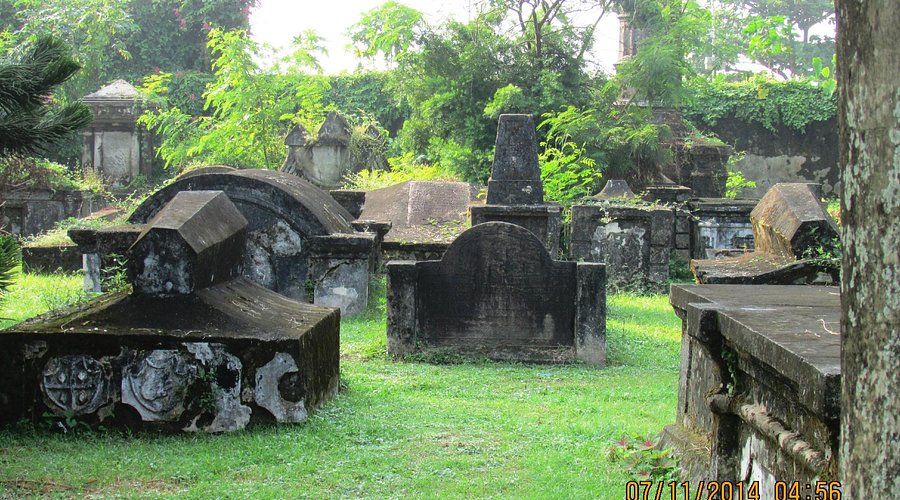
The Dutch Cemetery, established in 1724, is the oldest European cemetery in India and one of Fort Kochi's most significant colonial landmarks. Built by the Dutch East India Company (VOC), it served as the burial ground for Dutch governors, military officers, merchants, and their families who lived and worked in Cochin during the Dutch colonial period. The cemetery contains beautifully carved granite and marble tombstones bearing Dutch inscriptions and coats of arms, offering valuable insights into the lives of early European settlers. Although no longer used for burials, it is maintained as a protected monument by the Archaeological Survey of India (ASI). Today, the Dutch Cemetery stands as an important symbol of Fort Kochi's rich colonial and maritime history, attracting historians, heritage enthusiasts, and visitors from around the world.

The Bristow Hotel

The Bristow Hotel

The Bristow Hotel is a landmark heritage hotel in Fort Kochi named after Sir Robert Bristow, the renowned British harbour engineer who transformed Kochi into a modern port during the early 20th century. Located on the scenic Fort Kochi waterfront, the hotel was originally built as a colonial residence and later converted into a heritage hotel, preserving its classic British-era architecture with spacious verandas, elegant wooden interiors, and panoramic views of the Arabian Sea. Named in honour of the engineer who created Willingdon Island and developed Cochin Harbour, the hotel symbolizes Kochi's maritime and engineering legacy. Today, The Bristow is celebrated as one of Fort Kochi's iconic heritage properties, offering visitors a unique blend of colonial history, architectural charm, and coastal hospitality.

CSI Bungalow

CSI Bungalow

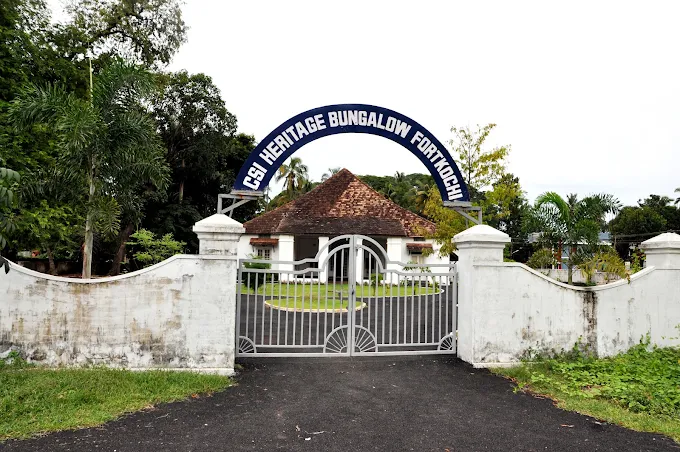
CSI Bungalow is a historic colonial-era residence in Fort Kochi that is closely associated with the Church of South India (CSI) and the region's Protestant missionary heritage. Originally built during the British period, the bungalow served as the residence of Anglican bishops and senior clergy who played an important role in the administration of the church and the growth of education, healthcare, and missionary work in Kerala. Designed in a classic colonial style with spacious verandas, high ceilings, wooden beams, and landscaped surroundings, the bungalow reflects the architectural elegance of the British era. Today, CSI Bungalow remains an important heritage landmark, symbolizing Fort Kochi's religious diversity and the lasting contribution of Christian missions to the social, educational, and cultural development of the region.

VOC Gate

VOC Gate

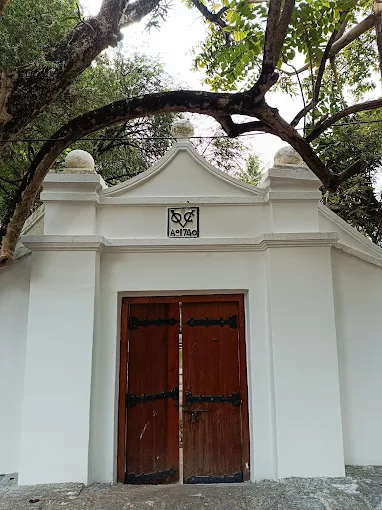
The VOC Gate (Vereenigde Oostindische Compagnie Gate) is one of Fort Kochi's most important Dutch colonial landmarks and a lasting symbol of the Dutch East India Company (VOC), one of the world's first multinational trading corporations. Built during the Dutch occupation of Cochin in the 17th century, the gate once formed part of the fortified entrance to the Dutch settlement and warehouses. It prominently bears the VOC monogram, representing the company's authority over the region's lucrative spice trade, particularly pepper. Today, the VOC Gate stands as a protected heritage monument, reminding visitors of the period when Fort Kochi was a major centre of global maritime trade and preserving the legacy of Dutch influence on the city's history, architecture, and commerce.

Loafer's Corner

Loafer's Corner

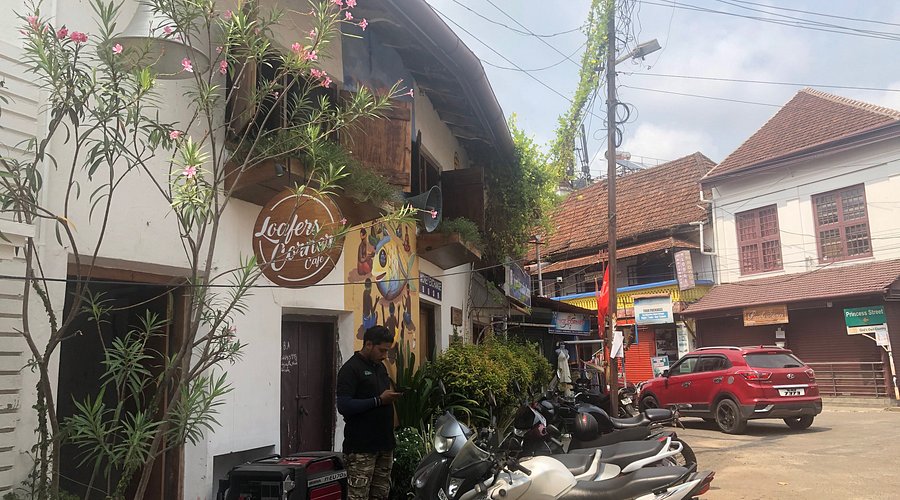
Loafer's Corner, also known as Princess Street Junction, is one of the most iconic and lively gathering places in Fort Kochi. During the colonial era, this street was a bustling commercial hub lined with warehouses, trading houses, and colonial residences belonging to Portuguese, Dutch, and British merchants. Over time, the junction became a popular meeting place where sailors, traders, artists, writers, and local residents gathered to relax, socialize, and exchange stories, earning it the affectionate name "Loafer's Corner." Today, it is renowned for its charming colonial architecture, cafés, art galleries, boutique shops, and vibrant cultural atmosphere. As a key stop on Fort Kochi's heritage trail, Loafer's Corner beautifully reflects the city's cosmopolitan spirit and its rich blend of history, commerce, art, and culture.

Peter Celli Street

Peter Celli Street

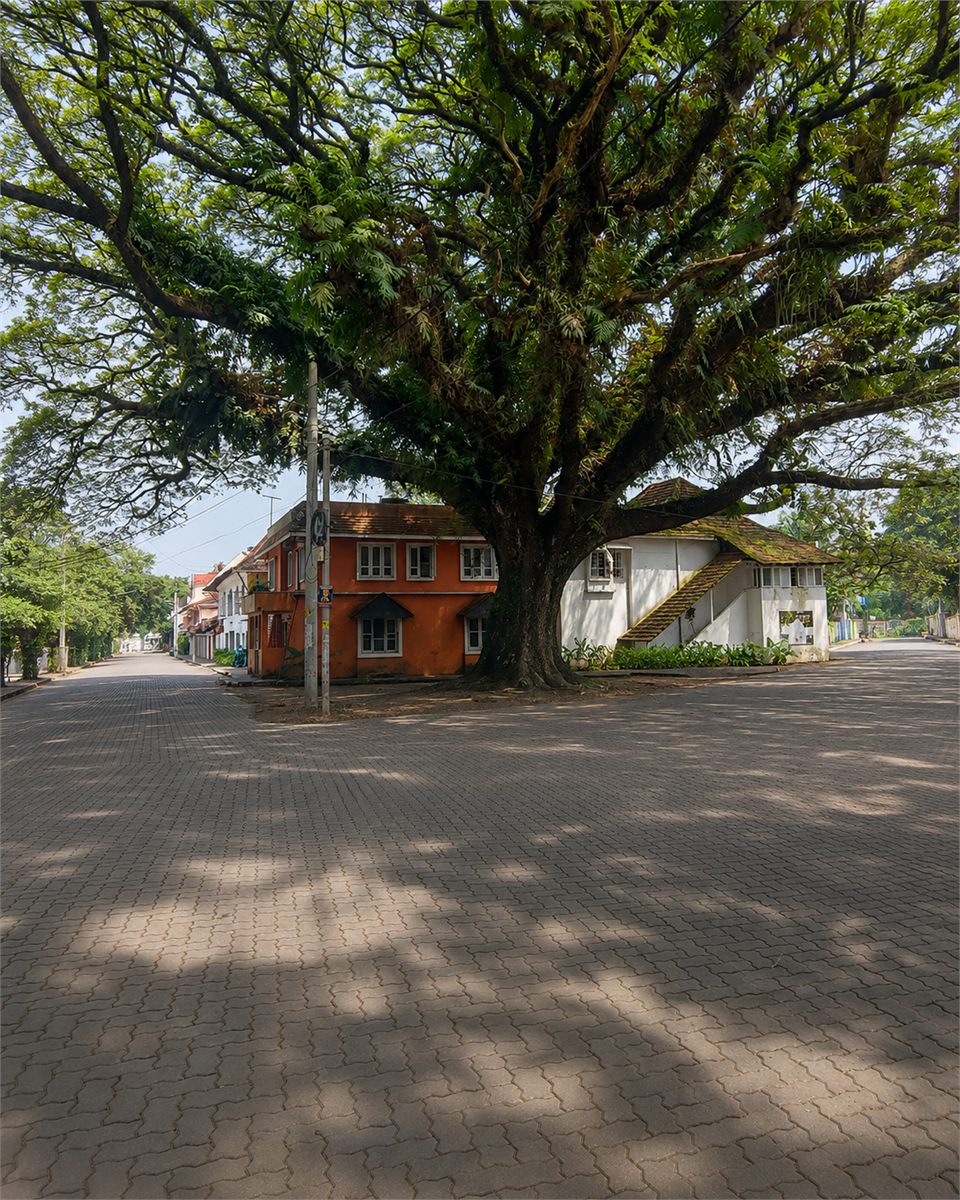
Peter Celli Street is one of Fort Kochi's most charming and historically significant streets, reflecting the town's rich colonial and multicultural heritage. Named after Peter Celli, an Italian merchant who settled in Cochin during the colonial era, the street was once home to prominent European traders and affluent merchant families engaged in the spice trade. Lined with beautifully preserved Portuguese, Dutch, and British-era buildings, it showcases a unique blend of European and traditional Kerala architecture. Today, Peter Celli Street is known for its peaceful atmosphere, heritage homes, boutique hotels, cafés, and art spaces. As an integral part of Fort Kochi's heritage trail, it stands as a living reminder of the city's centuries-old maritime trade, cultural diversity, and architectural legacy.

St. Francis LP School

St. Francis LP School

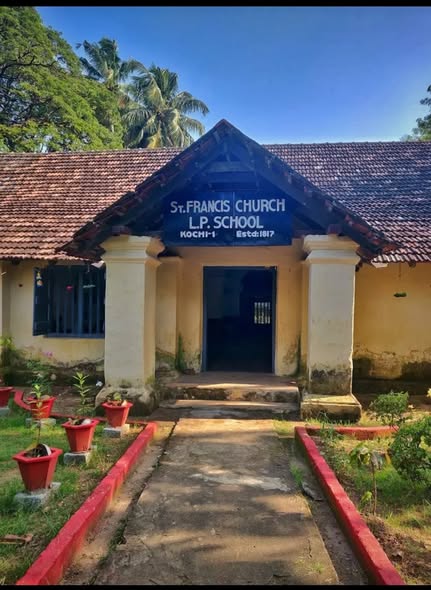
St. Francis LP School, established in 1817, is one of the oldest schools in Kerala and is widely regarded as the first English-medium school in the state. Founded by Rev. Judeson, a Christian missionary, in association with the historic St. Francis Church, the school was initially established to provide English education to the children of British soldiers and local residents. Over the past two centuries, it has played a pioneering role in spreading modern education and literacy in Kerala, educating generations of students from diverse backgrounds. Today, St. Francis LP School remains an important heritage landmark in Fort Kochi, symbolizing the city's rich educational, cultural, and colonial legacy while standing as a testament to the beginnings of English-medium education in Kerala.

Freedom Struggle Jail (Old Sub Jail)

Freedom Struggle Jail (Old Sub Jail)

Freedom Struggle Jail (Old Sub Jail), Fort Kochi is a significant heritage landmark associated with India's struggle for independence. Built during the British colonial period in the late 19th century, the jail was used to detain freedom fighters, political activists, and others who opposed British rule in the Cochin region. Many local leaders involved in the national movement were imprisoned here, making it an important symbol of sacrifice and resistance against colonial oppression. Though no longer functioning as a prison, the building stands as a reminder of Fort Kochi's role in India's freedom movement. Today, the former jail is valued as an important historical site, preserving the memory of those who fought for the nation's independence and highlighting Fort Kochi's contribution to India's struggle for freedom.

Mehboob Memorial Orchestra

Mehboob Memorial Orchestra

Mehboob Memorial Orchestra, established in 1972, is one of Kerala's oldest and most respected musical orchestras, founded in Fort Kochi in memory of the legendary Malayalam singer Mehboob (P. A. Mehboob), whose soulful songs left a lasting impact on Kerala's music scene. Created by a group of musicians and music enthusiasts, the orchestra has played a pioneering role in promoting live orchestral performances, Malayalam film music, and classical-inspired concerts across the state. Over the decades, it has nurtured numerous talented singers and instrumentalists while preserving Fort Kochi's vibrant musical and cultural traditions. Today, Mehboob Memorial Orchestra stands as an important cultural institution and a symbol of Fort Kochi's rich artistic heritage, continuing to inspire generations of musicians and music lovers.

Albuquerque Jetty

Albuquerque Jetty

Albuquerque Jetty is a historic waterfront landing point in Fort Kochi, named after Afonso de Albuquerque, the celebrated Portuguese governor and military commander who played a key role in establishing Portuguese influence along India's west coast in the early 16th century. Situated along the picturesque Fort Kochi shoreline, the jetty once served as an important point for the movement of passengers, traders, and goods between Fort Kochi, Mattancherry, and other parts of Cochin Harbour. During the Portuguese, Dutch, and British periods, it contributed to the region's thriving maritime trade and transportation network. Today, Albuquerque Jetty remains an important heritage landmark and ferry point, symbolizing Fort Kochi's centuries-old maritime history and its enduring connection to the sea and international trade.

Kalvathy and Kalvathy Bridge

Kalvathy and Kalvathy Bridge

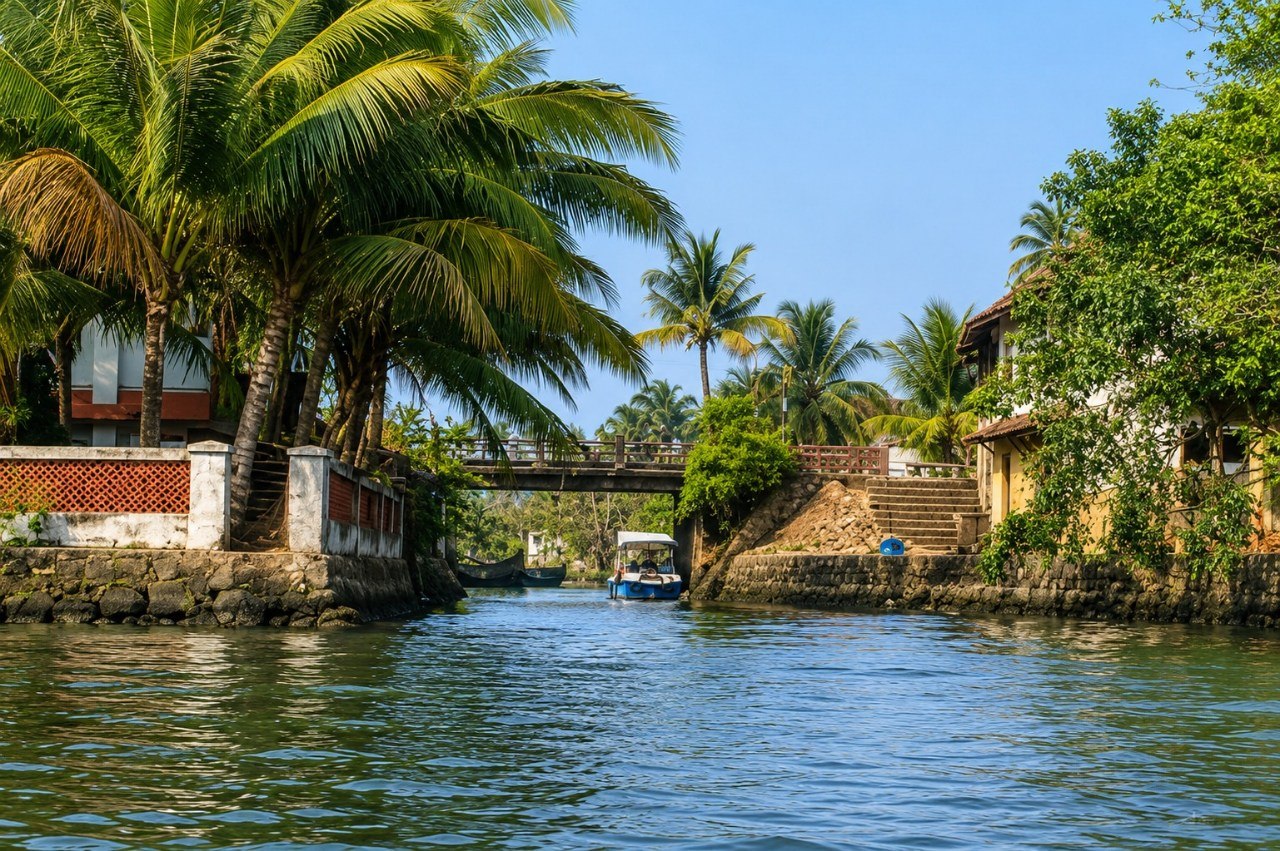
Kalvathy is one of Kochi's oldest and most culturally significant neighbourhoods, located in Mattancherry near Fort Kochi. The name "Kalvathy" is believed to be derived from the Malayalam words kal (stone) and vazhi (path), referring to the historic stone-paved streets that once connected the area's temples, markets, and residential quarters. For centuries, Kalvathy has been home to a vibrant Tamil Brahmin community that settled in Cochin during the reign of the Cochin Maharajas, making it an important centre of Hindu culture, trade, and tradition. The area is especially renowned for the Sri Dharmasastha Temple and the annual Kalvathy Ratholsavam (Chariot Festival), one of Kochi's oldest and most celebrated religious festivals. Kalvathy Bridge, constructed to improve connectivity between Fort Kochi, Mattancherry, and the surrounding harbour areas, has played an important role in the movement of people and goods across Kochi's waterways. The bridge strengthened trade, transportation, and daily life by linking the historic commercial centres of the region, reinforcing Kochi's position as a major maritime city. Today, both Kalvathy and Kalvathy Bridge stand as important symbols of Kochi's cultural heritage, historic trade networks, and centuries-old tradition of communal harmony, attracting visitors interested in the city's rich history and living traditions.

Brunton Boatyard

Brunton Boatyard

Brunton Boatyard is one of Fort Kochi's most iconic heritage hotels, built on the site of the former George Brunton & Sons shipbuilding yard, established in the late 19th century. The property is named after the Brunton family, renowned British shipbuilders who constructed and repaired vessels for Cochin Harbour during the colonial era. Designed to reflect Portuguese, Dutch, and British architectural influences, the hotel preserves the character of the historic shipyard while incorporating traditional Kerala craftsmanship. Located on the scenic waterfront overlooking Cochin Harbour, Brunton Boatyard stands as a tribute to Fort Kochi's rich maritime heritage and its centuries-old shipbuilding tradition. Today, it is internationally recognized as one of Kerala's finest heritage hotels, offering visitors a unique blend of colonial history, architectural elegance, and warm hospitality.

Kerala Folklore Museum

Kerala Folklore Museum

Kerala Folklore Museum, established in 2009, is one of Kerala's most remarkable cultural museums, dedicated to preserving and showcasing the state's rich artistic and folk traditions. Although located in Thevara, Kochi (about 10 km from Fort Kochi), it is a popular destination for visitors exploring the city's heritage. The museum houses an impressive collection of over 5,000 artifacts, including traditional temple sculptures, ritual objects, musical instruments, Kathakali masks, ancient jewelry, weapons, wooden carvings, and antiques collected from across Kerala. Its striking architecture is a blend of Malabar, Cochin, and Travancore styles, built using reclaimed materials from centuries-old heritage structures. Today, the Kerala Folklore Museum serves as an important cultural institution, preserving Kerala's diverse folk traditions and offering visitors an immersive experience of the state's art, history, and craftsmanship.

Around Fort Kochi